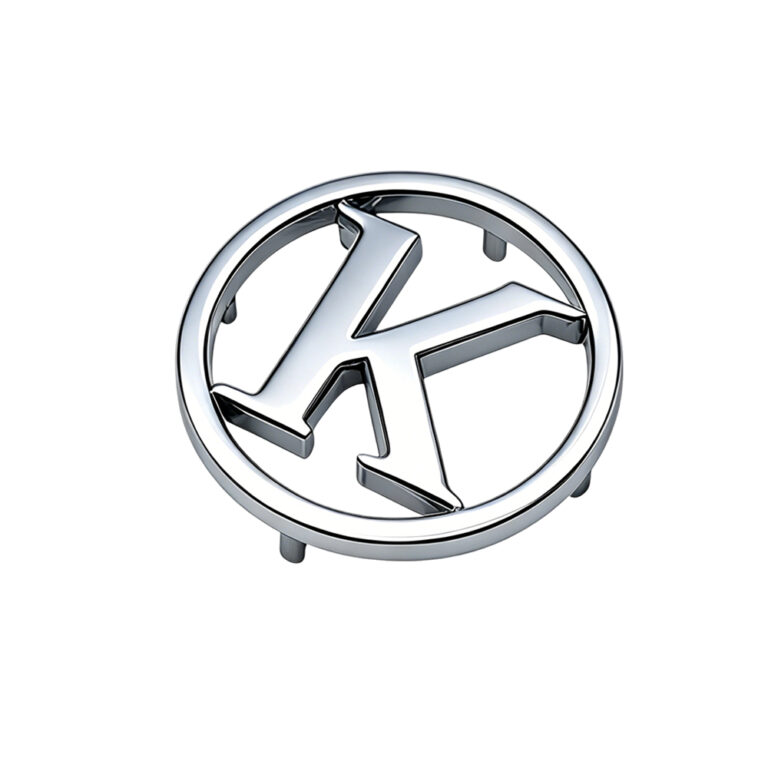
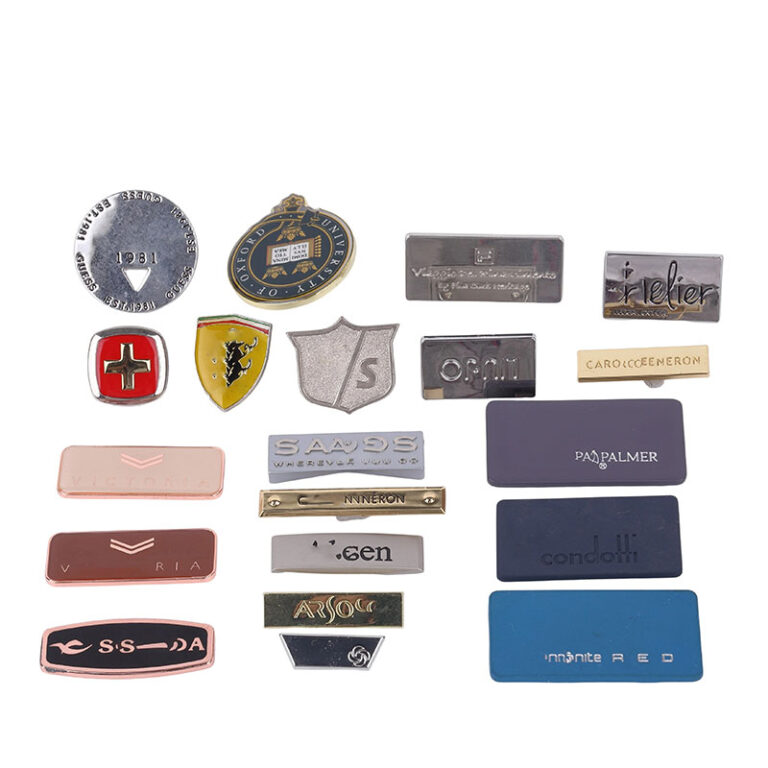
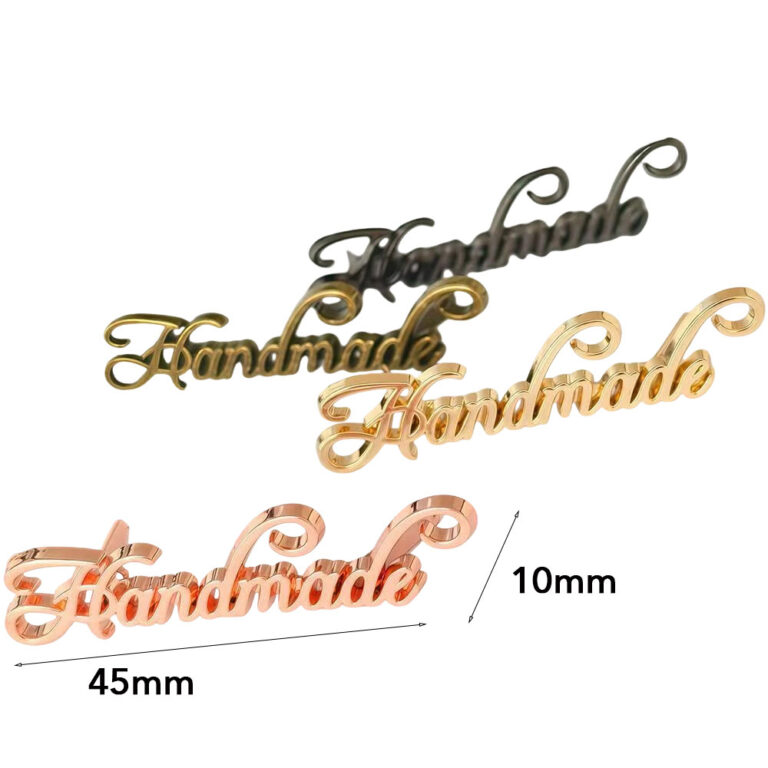
A custom metal logo plate is a die-cast hardware component, typically made from zinc alloy, used to brand golf bags, handbags, and leather goods with a raised, engraved, or enamel-filled emblem. Unlike embroidered patches or printed labels, a custom metal logo plate for golf bags holds its shape and finish through years of outdoor use, weather exposure, and repeated handling. Golf bag manufacturers and accessory brands typically choose this hardware type when they want a premium, permanent branding element that reads as a built-in feature of the bag rather than an add-on.
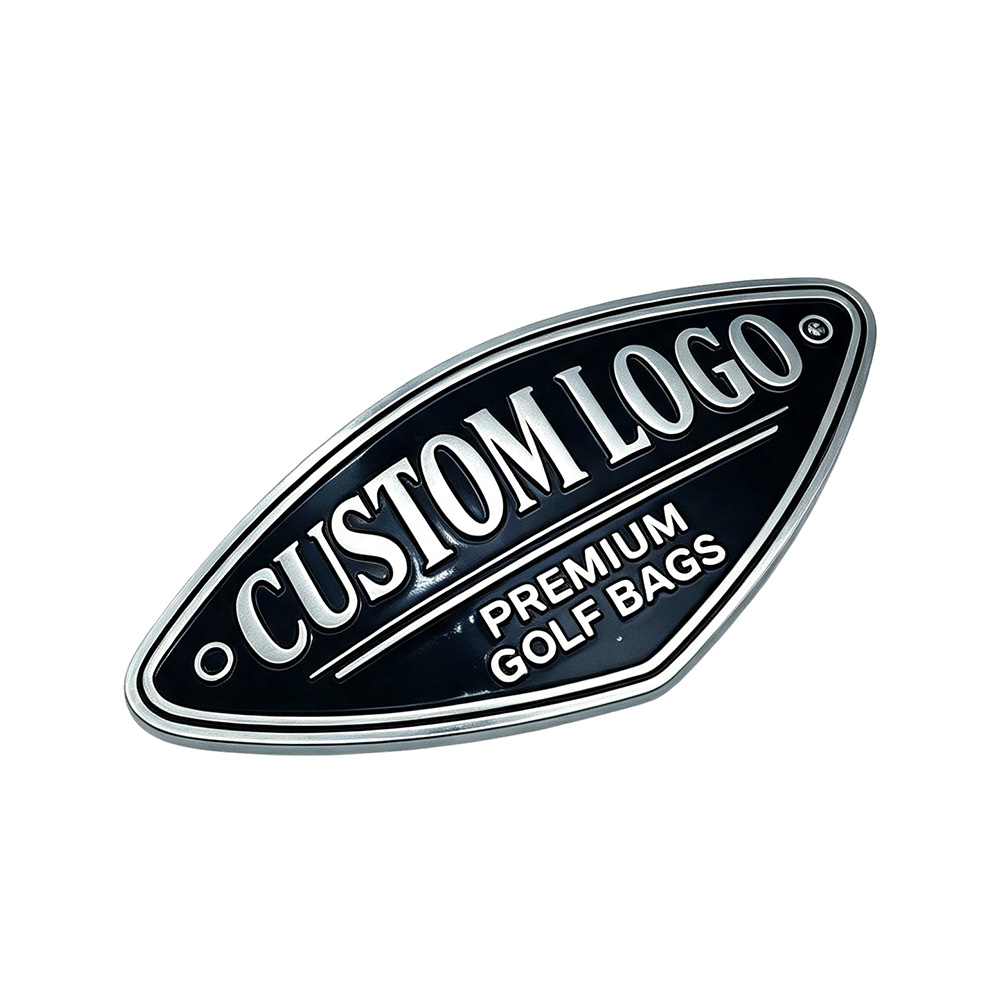
One thing buyers often ask us is why a golf bag emblem needs a different production approach than, say, a handbag turn lock. The answer comes down to surface area and viewing distance. A golf bag logo plate is viewed from a few feet away, often outdoors, in direct sunlight, so contrast and edge sharpness matter more than they do on a small handbag charm that’s seen up close. In our factory, this changes how we set the mold — deeper letter cavities, wider stroke widths on the font, and a border height tall enough to keep the enamel fill from chipping at the edges during shipping and repeated bag handling.
A metal logo plate is a die-cast or stamped hardware piece that carries a brand name, monogram, or icon in raised or engraved form, usually finished with electroplating and sometimes enamel fill for color contrast. It is mounted to a bag panel using rivets, screws, or an adhesive backing, depending on the base material.
The shield-and-leaf silhouette shown here has thin tapered points at both ends, which is difficult to fill evenly with brass in a single casting pass without porosity. Zinc alloy has a lower melting point and better mold flow, so it fills these narrow sections more consistently, which matters when the point of the shield sits right at the corner of a golf bag pocket and takes repeated flexing.
| Factor | Metal Logo Plate | Embroidered Patch |
|---|---|---|
| Durability outdoors | Holds finish for years | Fades and frays with UV exposure |
| Perceived value | Reads as premium hardware | Reads as standard trim |
| Detail sharpness | Fine letter edges possible | Limited by stitch density |
| Mounting | Rivets or screws, permanent | Sewn, can loosen over time |
| Lead time | Mold-dependent, 5–7 days sample | Faster for simple designs |
| Cost at low volume | Higher due to mold | Lower, no tooling needed |
| Weight added to bag | Roughly 20g per piece | Negligible |
| Customization depth | Full 3D shape and finish control | Limited to thread color and stitch outline |
| Property | Zinc Alloy | Brass |
|---|---|---|
| Detail resolution | Excellent for fine text and thin points | Good, but less forgiving on thin sections |
| Weight | Lighter | Heavier, denser feel |
| Plating adhesion | Strong with proper pre-treatment | Naturally strong |
| Cost | More economical at volume | Higher raw material cost |
| Best fit | Complex shapes, lettering-heavy logos | Solid blocky logos, heritage branding |
When customers compare suppliers on material alone, they sometimes miss that the shape of the logo should drive the material choice, not the other way around. A shield-shaped emblem with the letter density shown here is a textbook case for zinc alloy.
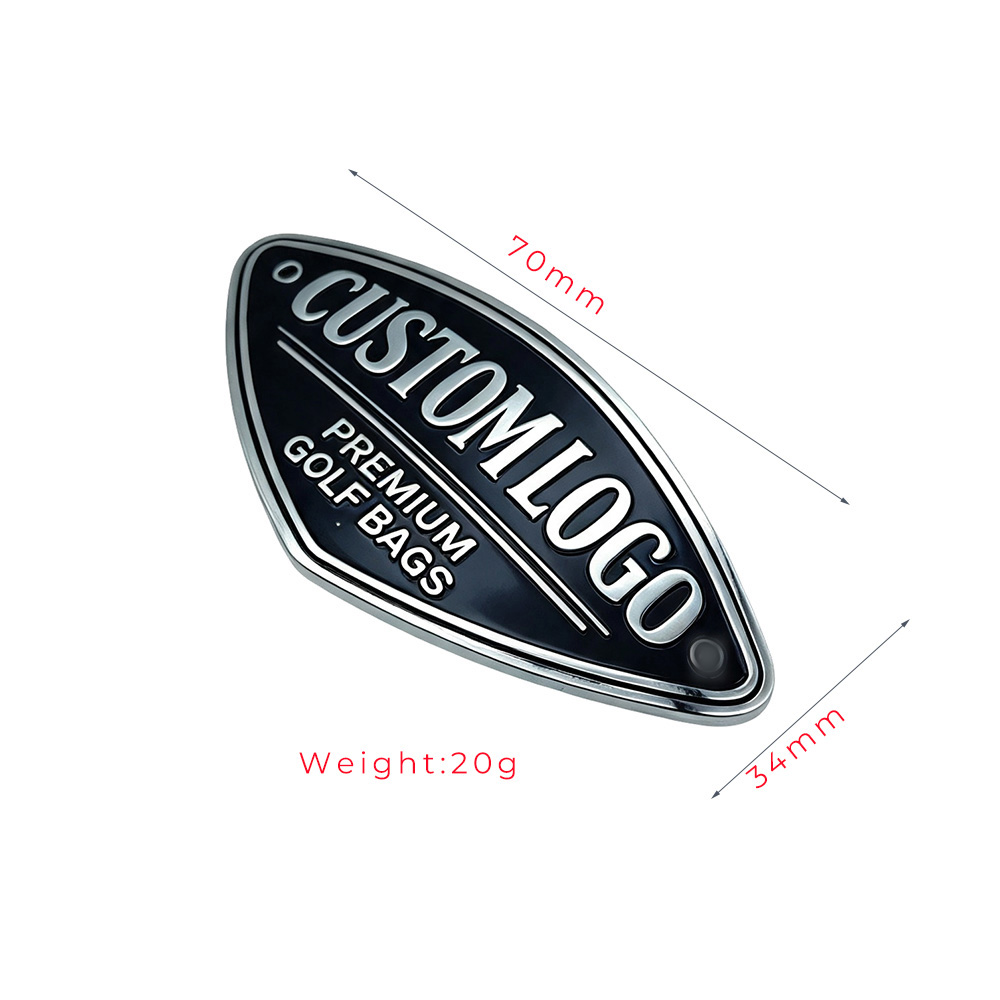
During prototype development, buyers who send us their own bag panel measurements usually care about a specific set of numbers. Here’s what each one actually controls on this logo plate.
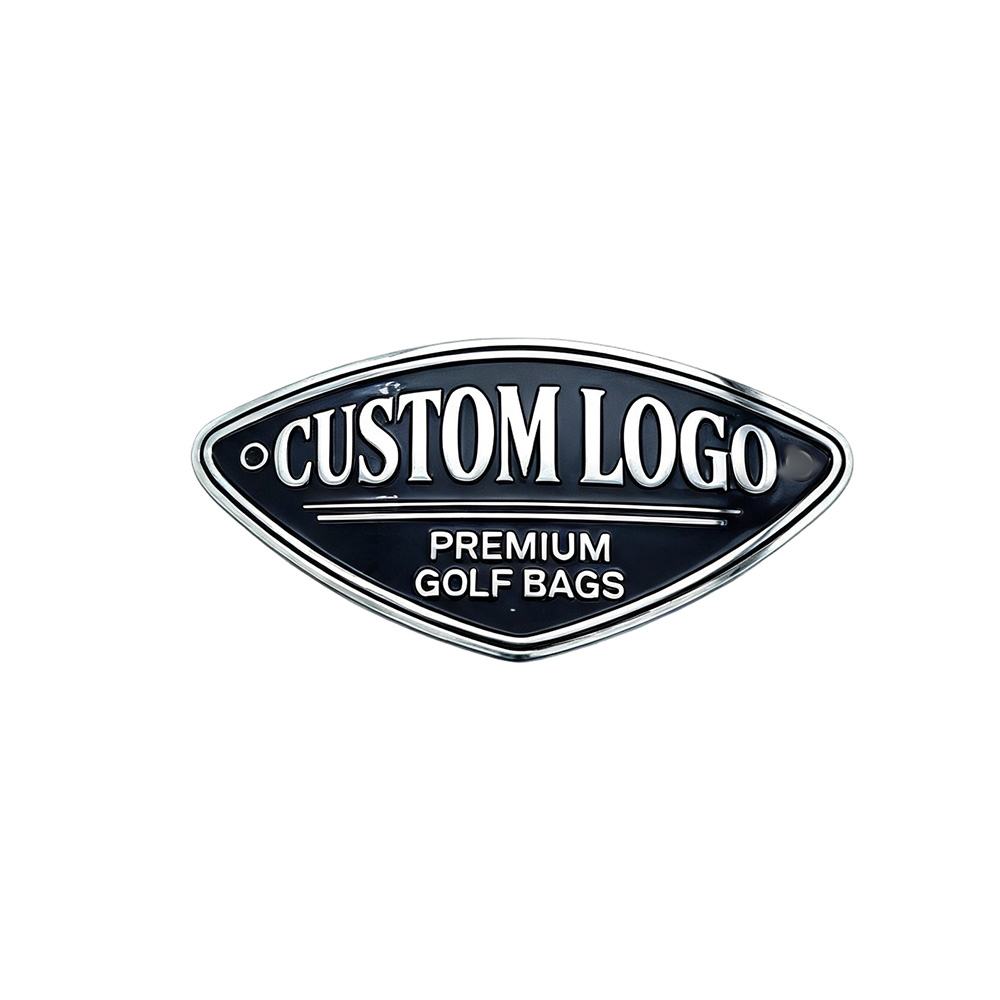
Raw zinc alloy ingots are melted and injected into the mold under pressure, which is what allows the shield outline and the tapered points to form in one shot rather than multiple stamped pieces. After die casting, each plate goes through trimming to remove flash from the mold parting line, followed by grinding to smooth the edges. Multiple stages of polishing come next — this is the step most competitor pages skip over, but it’s the reason a mirror-chrome border looks reflective instead of dull. Skipping a polishing pass leaves micro-scratches that show up clearly once plating is applied, especially on a curved surface like this shield shape.
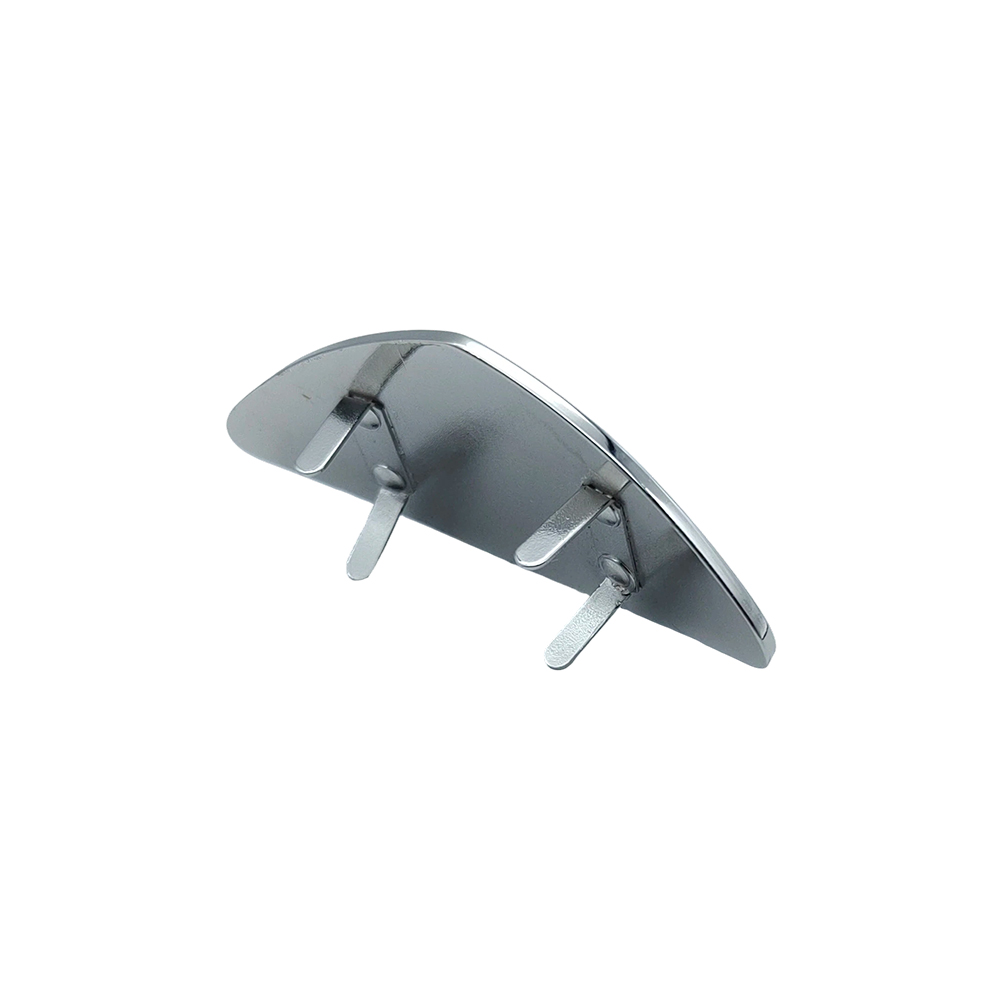
Assembly follows, where the mounting posts are set. Electroplating is done on a rack rather than in a barrel for this product, because barrel plating tends to round off the sharp letter edges that make the “CUSTOM LOGO” text legible. After plating, plates go through salt spray testing to check corrosion resistance before the enamel fill is applied to the recessed background. Every batch goes through 100% visual inspection for letter sharpness and enamel evenness before packing — this isn’t sample-based checking, because a logo plate with even one blurry letter is immediately visible on the finished bag.
This type of custom metal logo plate tends to suit golf bag brands and premium sports accessory makers who want their emblem to read as integrated hardware rather than an applied patch. Fashion-adjacent bag brands building a heritage or “workshop” aesthetic also gravitate toward this format, since the raised lettering and chrome border echo vintage luggage tags. Smaller MOQ brands should budget for mold cost upfront, since this is not a stock item — designers should plan sampling time into their production calendar, and OEM factories sourcing hardware for multiple client SKUs will want to confirm whether the shield shape can be reused across projects to offset tooling cost.
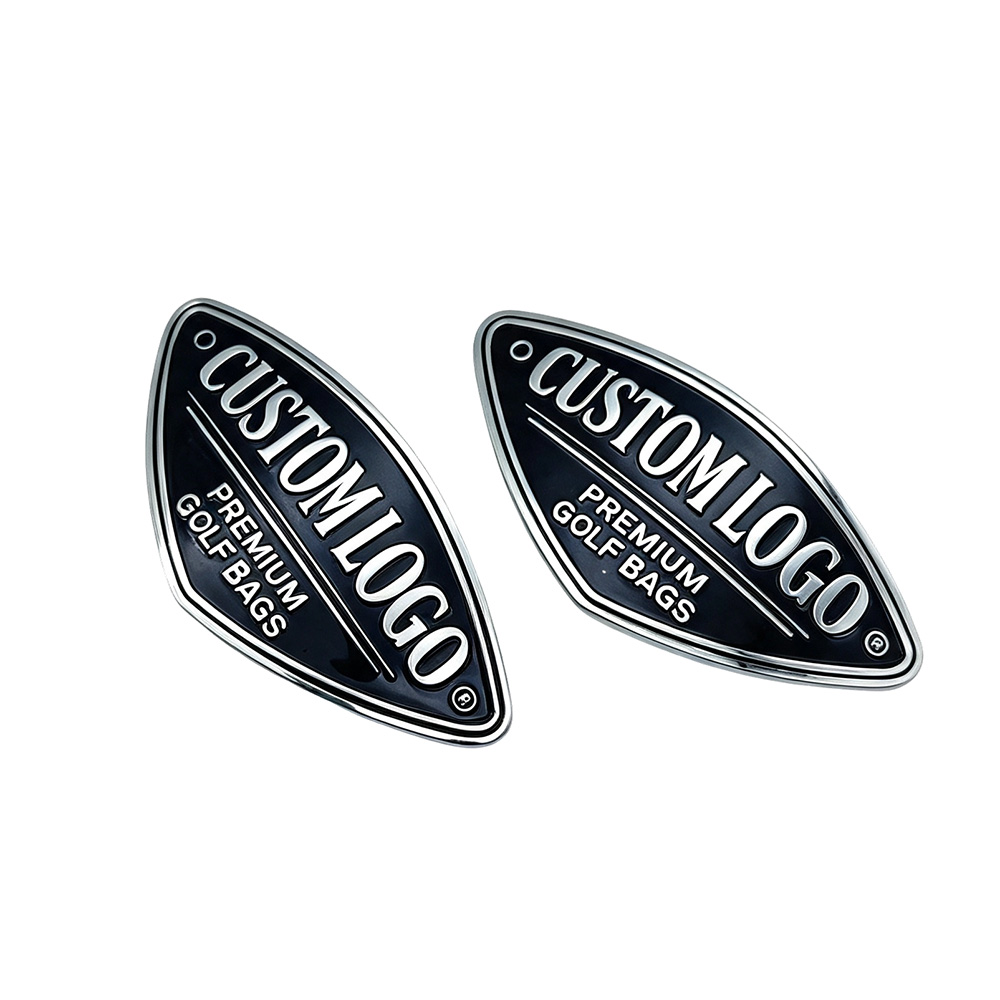
Beyond the shape and size shown here, this logo plate format supports several customization paths. A custom mold is required for any shape change, including adjusting the shield’s taper or overall proportions. Logo application can be done as laser marking for fine, permanent detail, emboss or deboss for a tactile 3D effect, or with oil filling for color-matched recessed text. Electroplating covers chrome, nickel, gunmetal, antique brass, and gold-tone finishes. For brand launches, we also support private label packaging, barcode application, hang tags, and retail box options so the hardware arrives ready for point-of-sale display rather than needing repackaging on your end.
A mid-size golf accessory brand we worked with initially wanted an embroidered patch for their premium bag line, but found that after one season of outdoor use, the thread edges frayed and the colors dulled under UV exposure. When they switched to a metal logo plate, their first concern was whether the added weight would affect how the bag felt on a golf cart strap. We ran the plate at 20g, light enough that it didn’t change the bag’s balance, and matched the mounting posts to their existing panel drill pattern so no tooling changes were needed on their bag assembly line. The result held its finish through a full testing season, and they’ve since extended the same plate shape across two additional bag models with only the enamel color changed between them.
Zinc alloy hardware with electroplating and enamel fill holds up well under normal use, but a few conditions shorten its lifespan. Prolonged exposure to sweat or acidic residue from hands can dull plating over time, so wiping the plate with a dry or slightly damp cloth after heavy use helps preserve the finish. High humidity during storage can promote oxidation at the mounting posts if the bag is kept in a damp bag or garage; storing in a ventilated space is preferable. During transportation, plates should stay protected from contact with other metal hardware to avoid surface scratching, which is why we recommend individual poly pouches for chrome finishes specifically. For cleaning, avoid abrasive pads or ammonia-based cleaners on the enamel fill, as these can dull the color contrast over repeated cleanings.
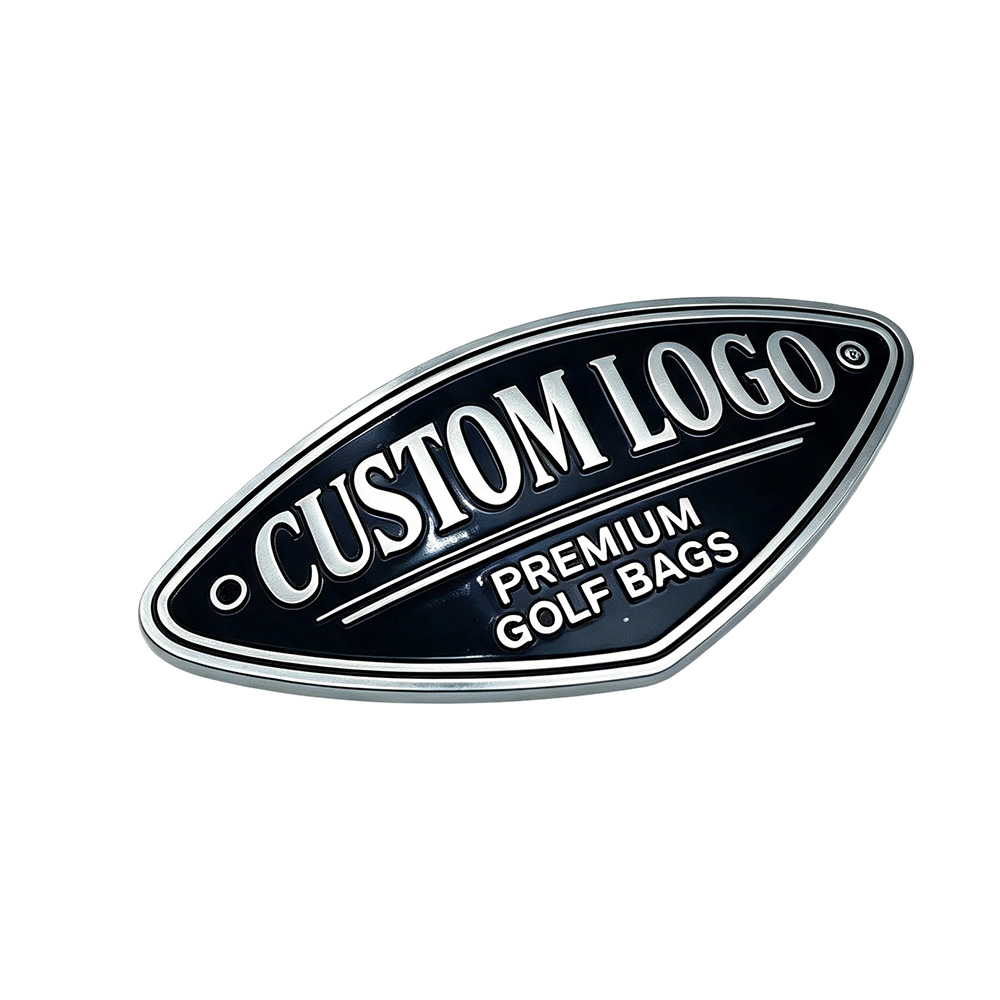
We’ve been running die casting and plating lines for close to two decades, which means our tooling team has already solved most of the shape and finish problems that come up with shield and leaf-profile logo plates. We support full OEM development from a rough sketch through to a moldable drawing, offer sampling in 5–7 days for custom molds, and every batch passes 100% visual inspection before packing rather than spot-checking. Our team communicates directly with engineering, not just sales, so questions about mounting tolerances or plating options get answered by someone who understands the production line.
The standard MOQ for individual hardware pieces like this logo plate is 1000 pcs, though this is negotiable depending on your specific order details, finish complexity, and whether a new mold is required.
Stock samples are free of charge. Custom samples that require a new mold or specific enamel color carry a sampling fee, which is fully deductible from your bulk order once you move to production.
Sample time for a new mold is typically 5–7 days from design confirmation. This covers mold cutting and the first trial casting, not mass production.
Yes, enamel fill colors can be matched to a supplied Pantone reference. We recommend confirming the match on a physical sample before mass production, since screen colors and enamel colors can render differently.
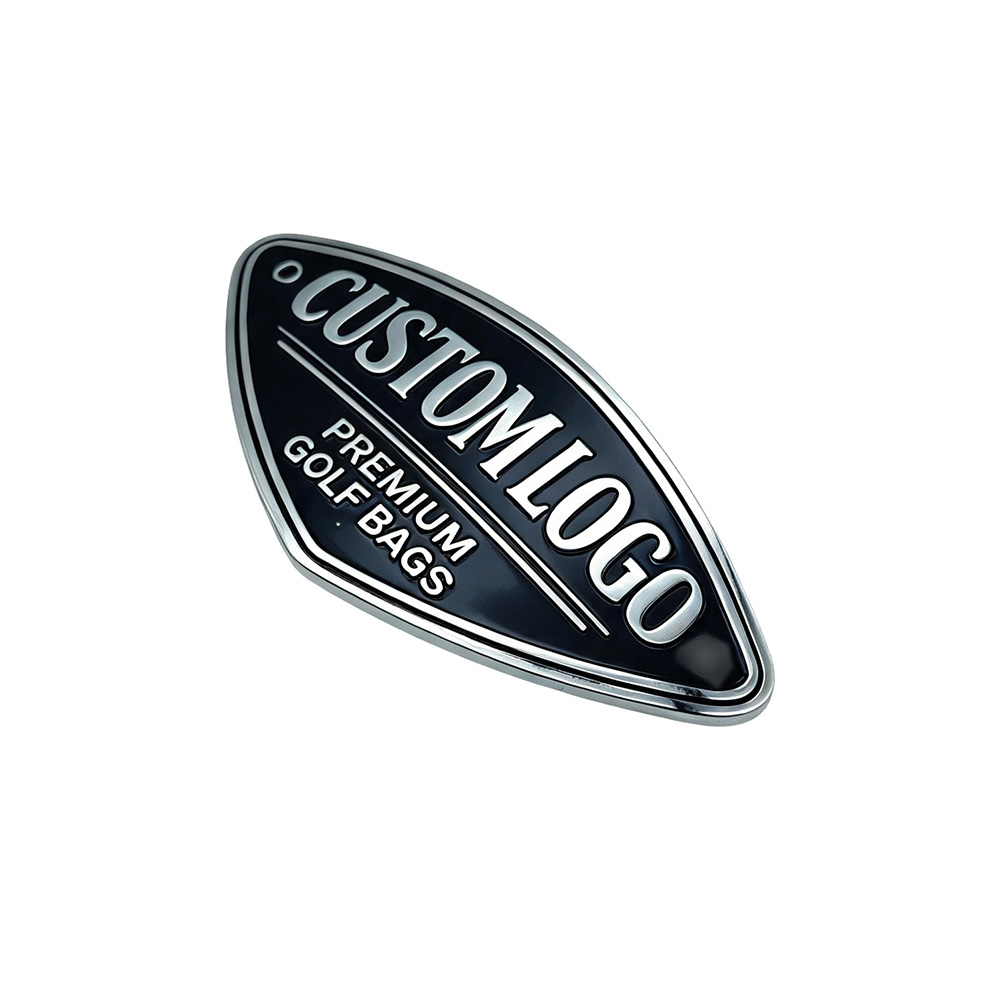
Common options include nickel, gunmetal, antique brass, and gold-tone plating, in addition to the bright chrome shown here. Matte and brushed variations are also possible depending on the base finish requested.
We maintain quality certification documentation and are happy to provide the current valid certificates upon request during your sourcing evaluation.
Yes, mounting method can be adjusted based on your bag panel material. Rivet mounting is standard for leather and heavier canvas, while screw-back or adhesive options can be discussed for other substrates.
Production time runs 10–15 days after sample approval, and delivery time is an additional 10–15 days depending on your shipping method and destination.
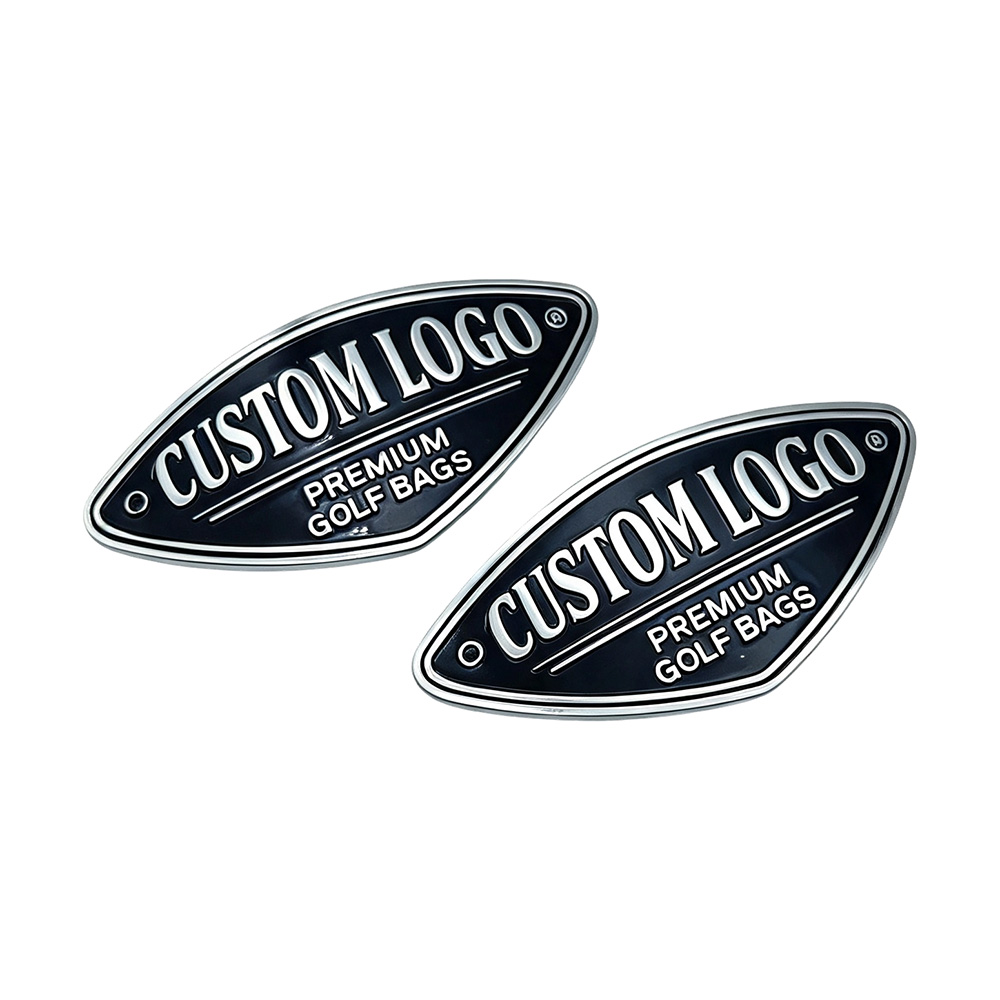
If you already have technical drawings or a logo file ready, send them over and we can quote tooling and unit cost together. If you’re still evaluating suppliers or deciding between a metal plate and another branding method, we’re happy to review your bag panel specs and suggest what’s worked for similar golf and sports accessory lines. Send us your target quantity and finish preference, and we’ll confirm mold feasibility and lead time from there.
Want to see how our hardware feels in your hand? Download our 2026 Premium Hardware Catalog today, or request a batch of free stock samples for your next quality test—we usually ship them out within 12 hours.