
When I first started handbag hardware sourcing overseas, I made the same mistake many buyers make.
I looked at photos.
I compared prices.
I assumed that if it looked fine in samples, it would be fine in production.
It didn’t take long to learn that hardware is where problems show up first.
Not the leather.
Not the stitching.
The metal parts.

The First Thing Buyers Really Care About: Risk
From the outside, a lock is just a lock.
A chain is just a chain.
But once a product reaches the customer, hardware becomes a risk point.
- A lock that feels loose after a few weeks
- A chain that scratches the leather underneath
- A plated surface that starts to fade unevenly
Those issues don’t just cause returns.
They quietly damage trust in a brand.
As a buyer, that’s what keeps you up at night — not whether the hardware is shiny enough.
Photos Don’t Tell You How Hardware Feels
One thing I learned early: you can’t judge metal hardware from pictures.
Two locks can look identical on screen and feel completely different in hand.
What I now pay attention to:
- Does the lock open smoothly without forcing it?
- Does it close with a clear, solid movement?
- Does the chain sit naturally, or does it twist under its own weight?
These are small things, but customers notice them immediately — even if they can’t explain why.
Durability Matters More Than Finish Names
Suppliers love to talk about finishes: gold, gunmetal, antique, matte.
What buyers really want to know is simpler:
- Will this look the same after months of use?
- Will different batches match each other?
- Will it react with leather, fabric, or skin?
A beautiful finish that doesn’t last becomes a problem very quickly.
Over time, I’ve learned to ask fewer marketing questions and more uncomfortable ones:
- How thick is the plating?
- Where does wear usually start?
- What complaints have you seen before?
Honest answers matter more than perfect samples.
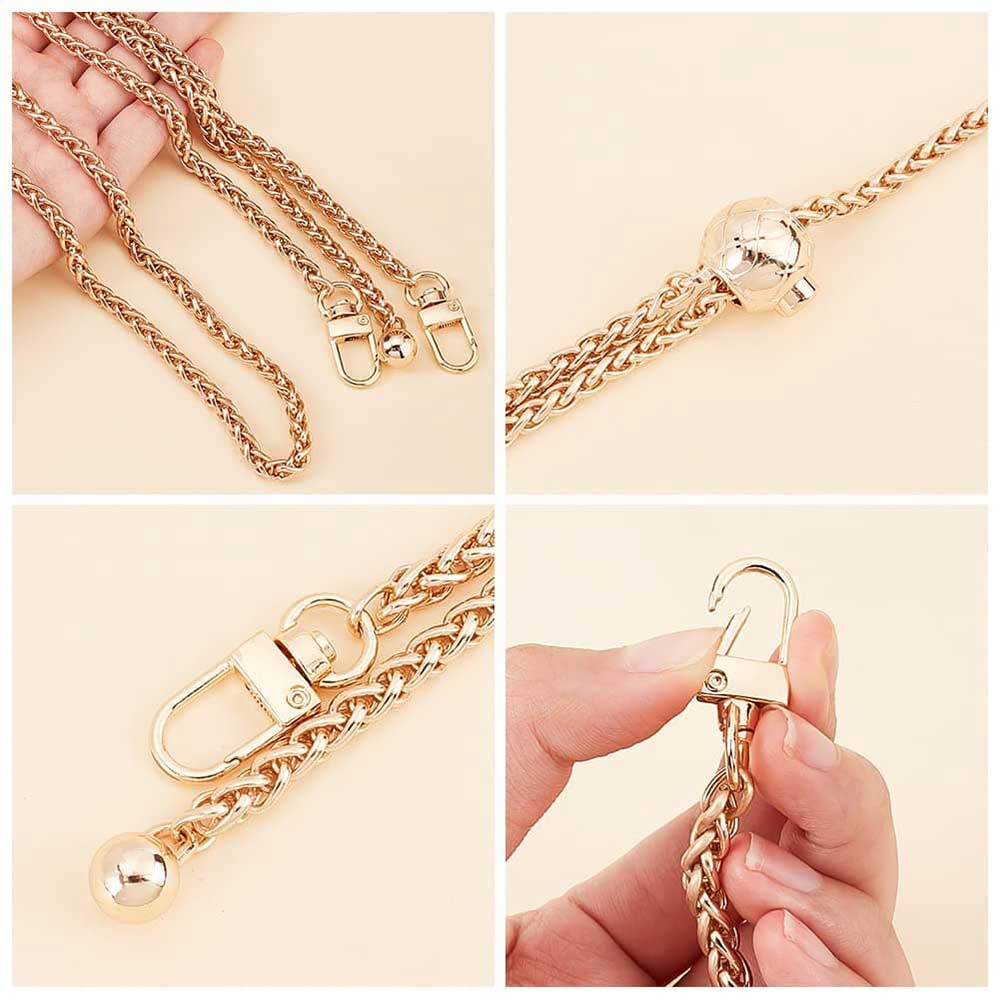
Custom Handbag Hardware Sourcing Is About Control, Not Luxury
Many people assume custom hardware is about branding or status.
For buyers, it’s often about control.
Control over:
- size and proportion
- weight
- how the hardware interacts with the bag design
Even small adjustments can make a bag feel more intentional and less generic.
The key is working with suppliers who understand why you want to change something — not just whether they can do it.
Choosing a Supplier Is Mostly About Communication
This is something no catalog will show you.
A good supplier doesn’t just send prices.
They explain limitations.
They warn you when something may not work long term.
The suppliers I trust most are the ones who:
- push back when a design is risky
- explain trade-offs clearly
- care about consistency more than speed
Mistakes happen in production.
What matters is whether the supplier takes responsibility before the buyer has to ask.
Where the Right Partner Makes a Difference
Working with manufacturers who focus specifically on handbag locks, chains, and metal accessories makes sourcing less stressful.
Not because they claim to be “high-end,” but because they’ve seen the same problems before:
- lock mechanisms wearing out too fast
- chains that are either too heavy or too weak
- finishes that look good in samples but fail in real use
Suppliers who understand these details help buyers avoid repeating the same mistakes.
Final Thoughts from a Buyer’s Perspective
Good hardware rarely gets praised.
Bad hardware always gets blamed.
As a buyer, choosing metal components isn’t about chasing trends or finding the lowest quote.
It’s about protecting the product — and the brand behind it.
When hardware works quietly, feels right, and holds up over time, customers don’t think about it at all.
And that’s usually the best result you can ask for.
More information about metal chains can be found on wikipedia website.