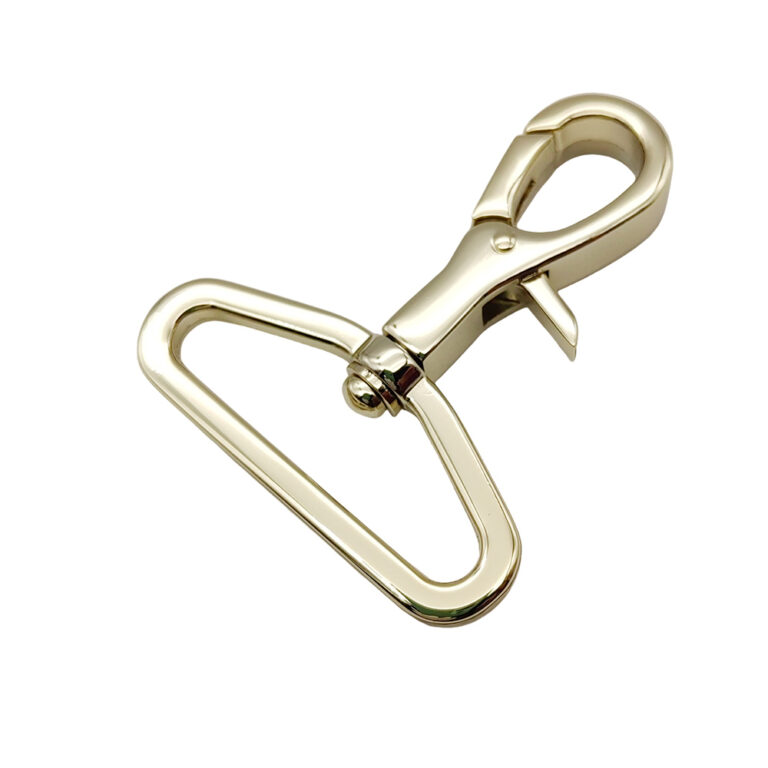
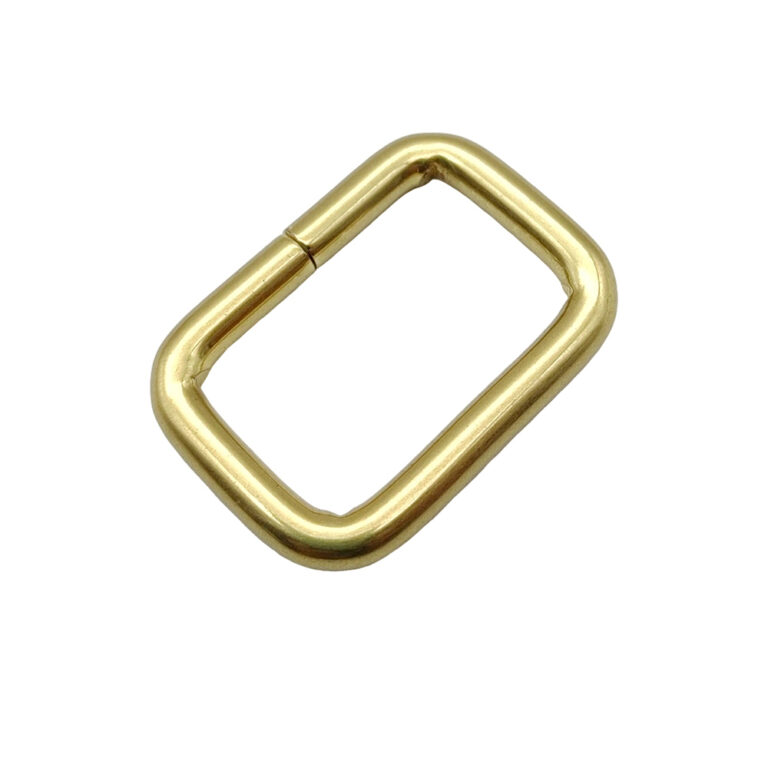
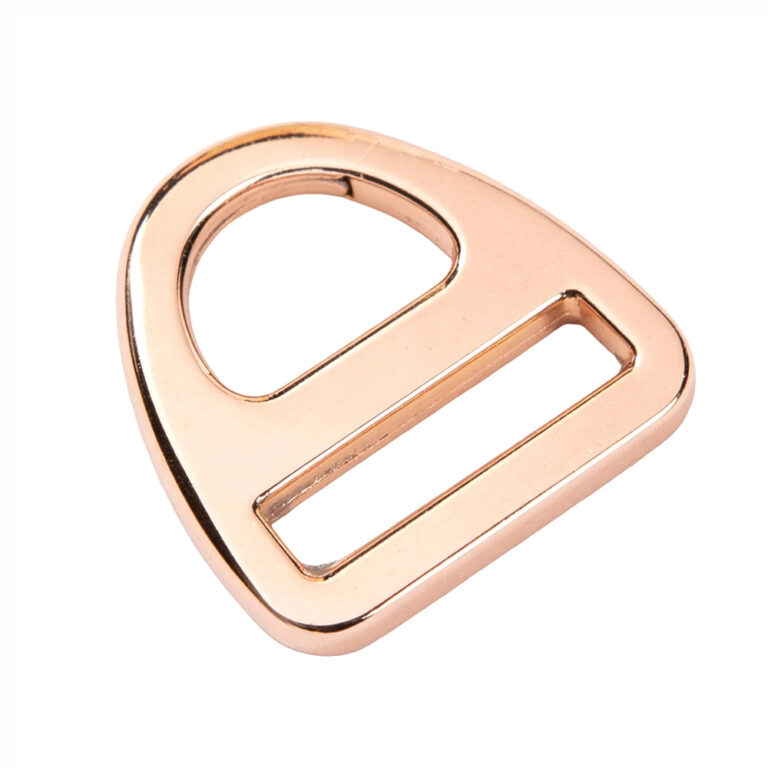
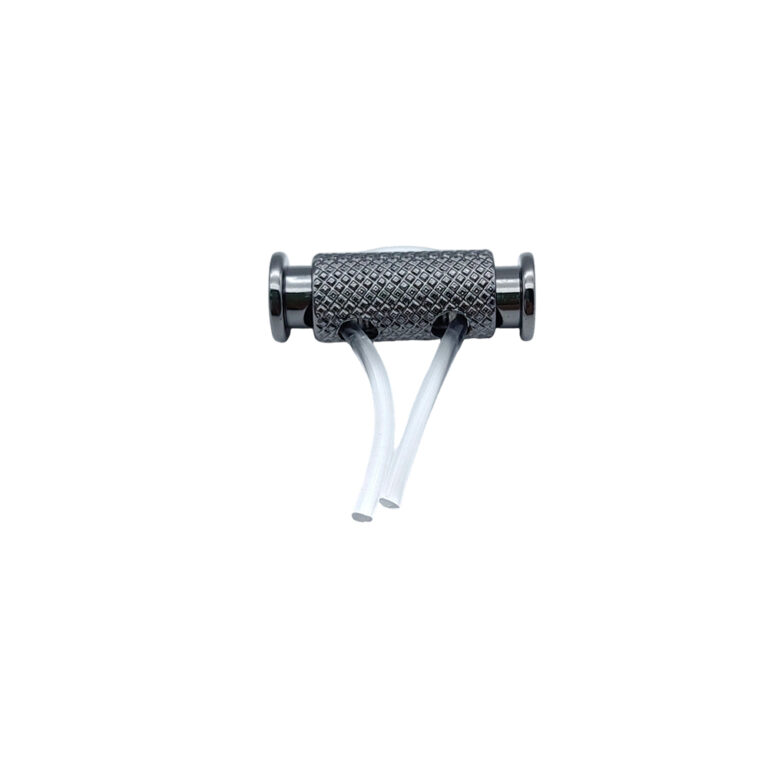
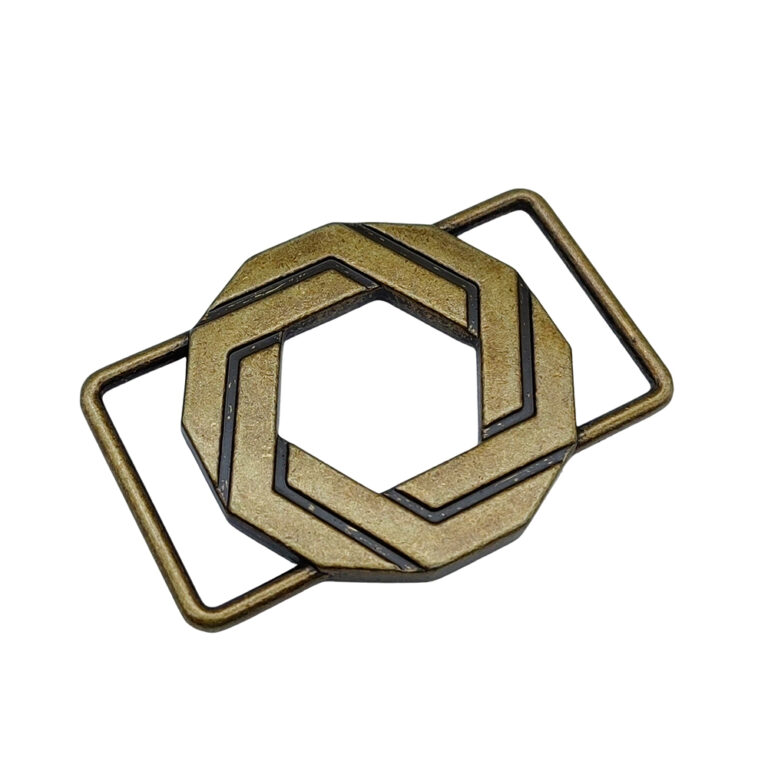
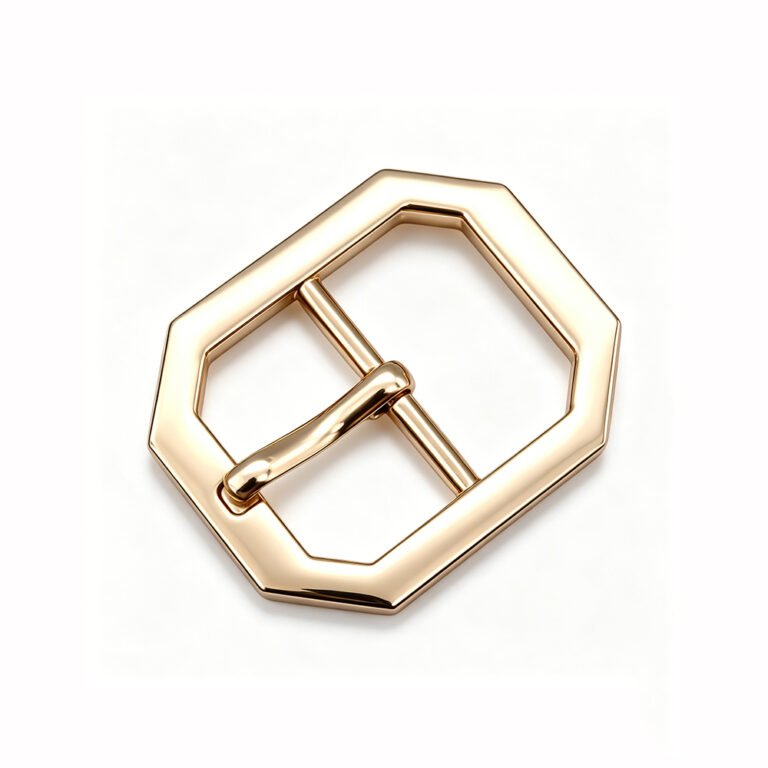
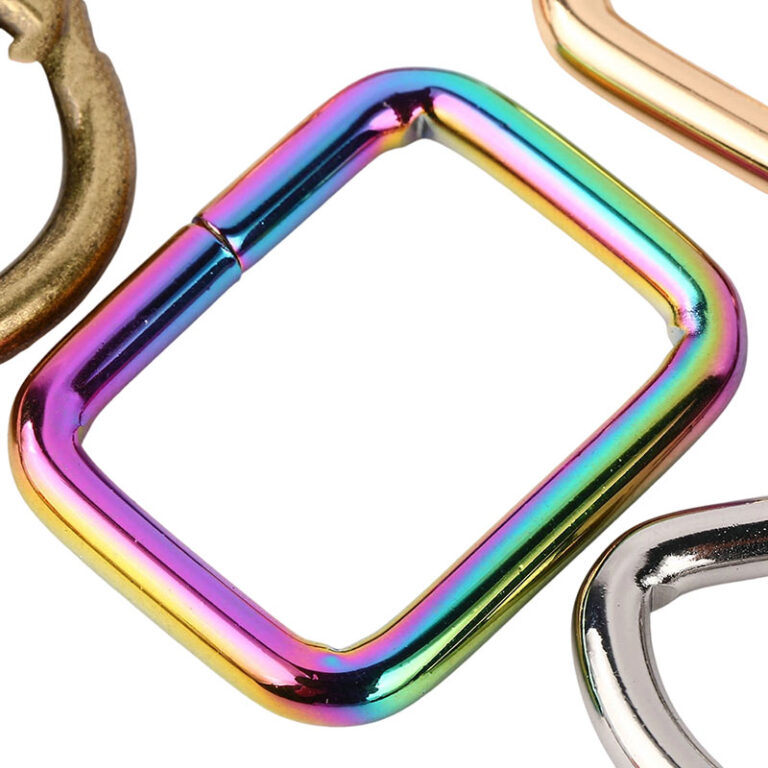
A roller pin buckle is a strap-adjustment hardware piece built around a rectangular frame, a fixed center bar, and a free-spinning roller pin. Instead of a static prong that drags directly against the strap, the roller pin rotates as the strap moves through it, which lowers surface friction and reduces wear on webbing or leather over repeated use. This roller pin buckle is die cast in zinc alloy, measures 24.6mm by 20mm, and is finished in gunmetal plating. It is most often specified on bag straps, belt straps, and adjustable luggage straps where the strap needs to slide smoothly through the hardware every time it is resized.
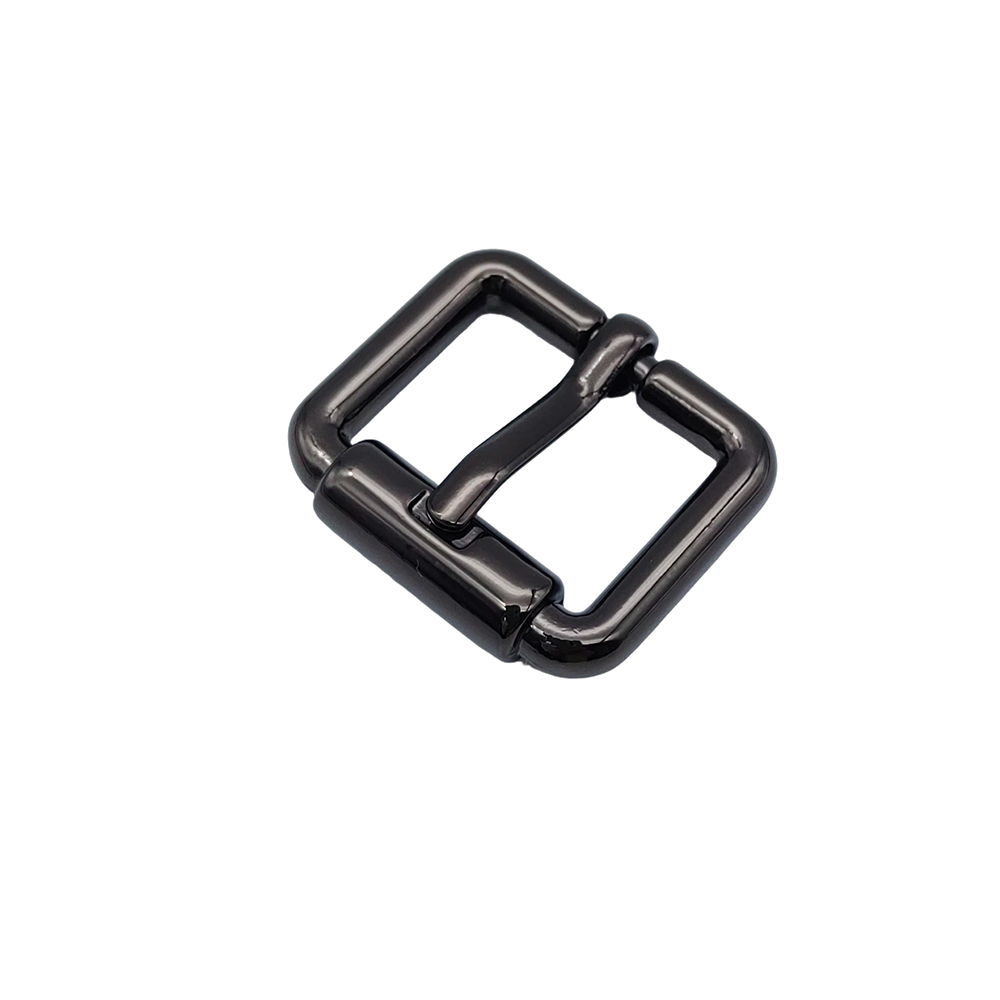
One thing buyers often ask is why a roller pin buckle costs slightly more to tool than a fixed pin version. The answer sits in the moving part. The roller pin is not welded to the frame; it sits in a channel that lets it spin as tension is applied. When a strap is pulled through the buckle, the roller rotates with the material instead of scraping against it, which is the main reason roller buckles are specified over fixed pin buckles on straps that get adjusted frequently, such as convertible bag straps or backpack shoulder straps.
In our factory, this rotation is checked at multiple points in the process, not just at final QC. The tolerance between the roller pin and its channel in the frame has to be tight enough to prevent lateral play, but loose enough that the pin does not bind under plating buildup. Get that tolerance wrong during mold design, and the piece either rattles in use or seizes after a few adjustment cycles.
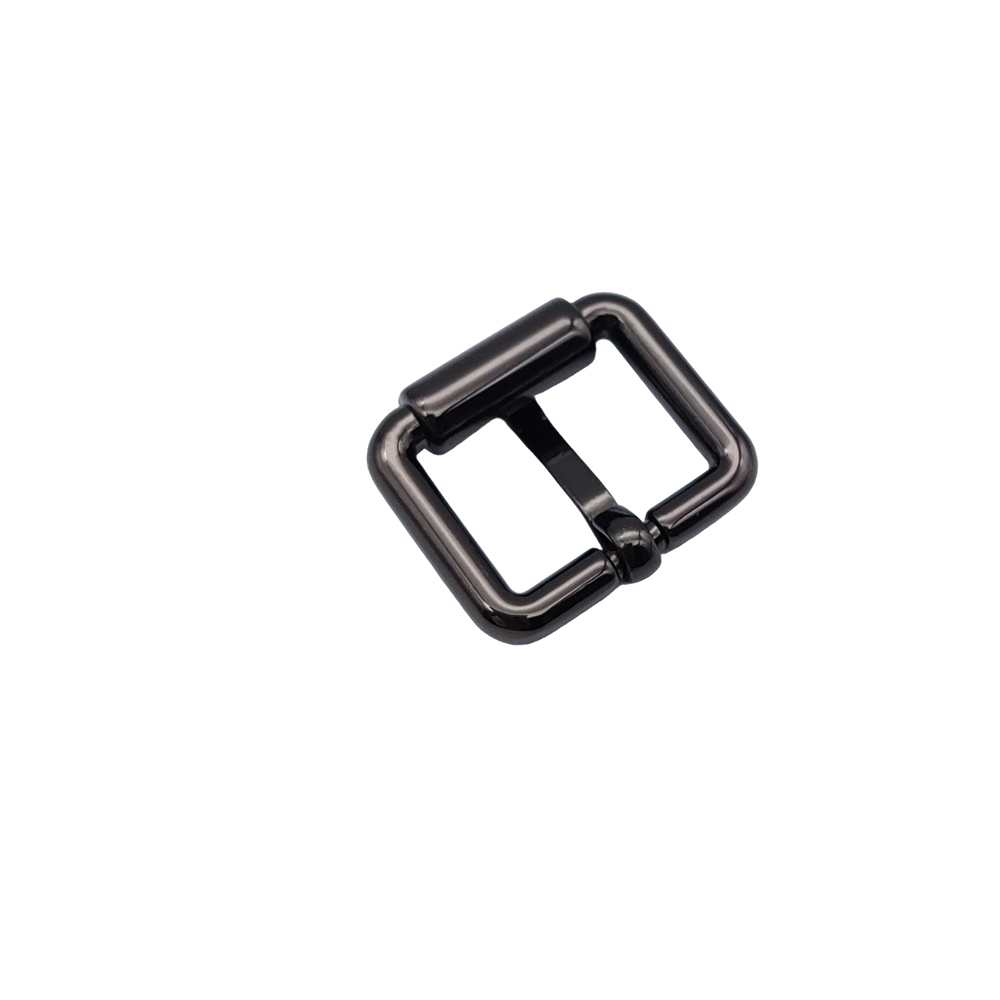
A center bar buckle is any buckle design where a straight bar sits across the middle of the frame, dividing it into two openings. The strap threads through one side, wraps around the bar, and threads back through the other side. This is different from a single-loop D-ring or O-ring, which only offers one connection point rather than a locking wrap-around path.
Zinc alloy is common for buckles this size because it die casts cleanly into fine detail without the porosity issues that can show up in lower-grade metals, and it takes plating well across curved surfaces. Brass is sometimes used instead for a warmer base tone or for buyers who want a slightly different weight and finish response, but the trade-off is a higher raw material cost.
| Buckle Type | Best Use Case |
|---|---|
| Roller Pin Buckle | Straps adjusted often; reduces webbing wear at the pivot point |
| Fixed Pin Buckle | Straps set once and rarely resized; simpler tooling, lower cost |
When customers compare suppliers, material choice is usually one of the first questions raised, so it is worth laying out the actual differences rather than a generic “both are good” answer.
| Comparison Point | Zinc Alloy | Brass |
|---|---|---|
| Casting Detail | Very fine, holds sharp edges well | Good, slightly softer edge definition |
| Weight Feel | Lighter per piece | Noticeably heavier |
| Plating Response | Excellent adhesion with proper pre-treatment | Excellent, often used for antique finishes |
| Raw Material Cost | Lower | Higher |
| Corrosion Behavior | Good with electroplating, weaker if plating is thin | Naturally more corrosion resistant |
| Typical Use | Mid to high volume bag and strap hardware | Premium leather goods, heritage finishes |
| Tooling Cost | Lower mold wear | Higher mold wear over long runs |
| Common Buyer | Fashion brands, OEM factories | Luxury and heritage leather brands |
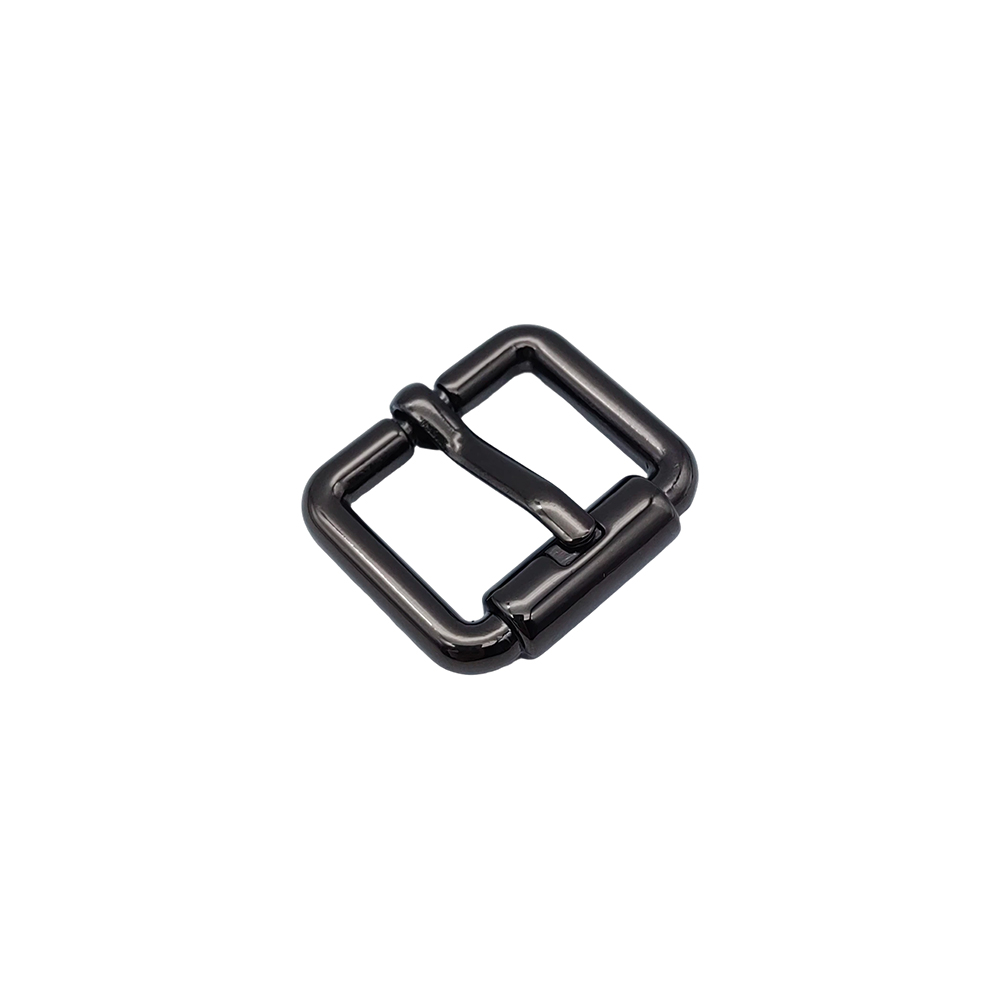
Rather than simply listing numbers, it helps to explain what each dimension actually controls once the buckle is in production.
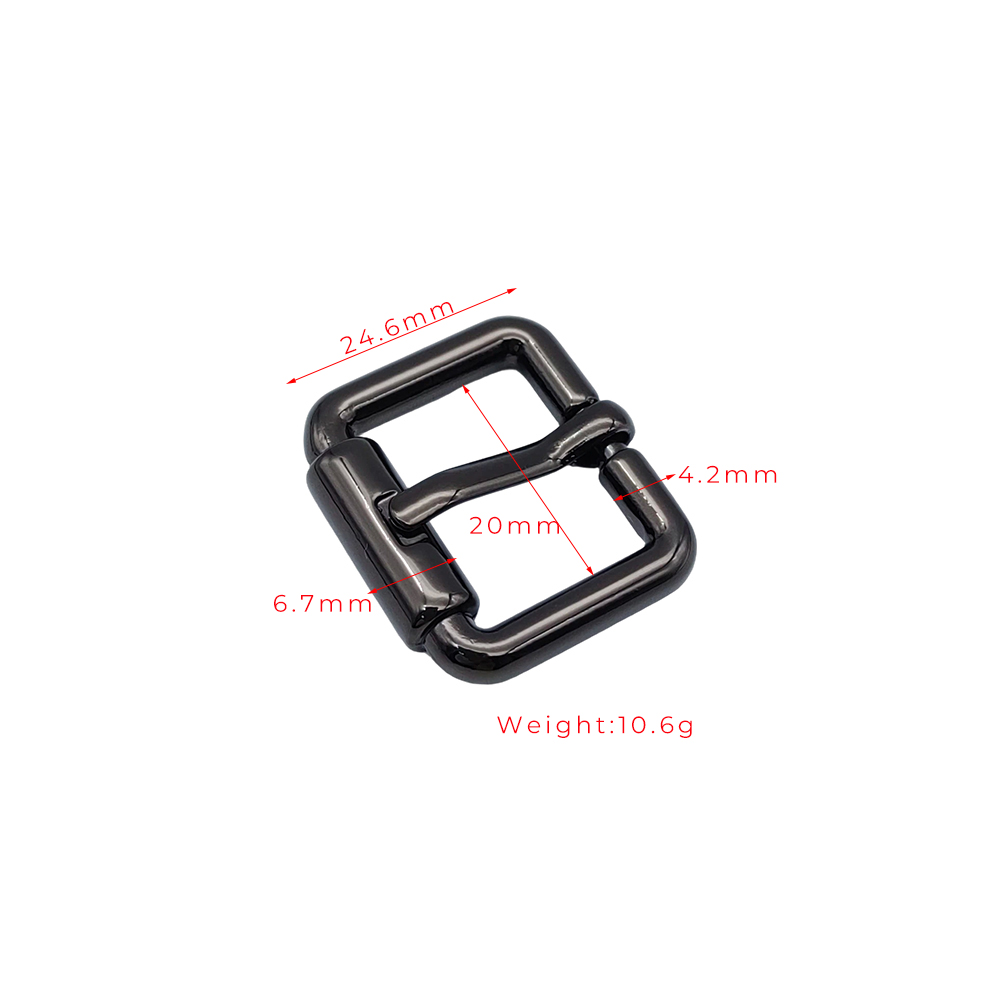
Instead of a generic list of steps, here is what actually happens between raw material and export carton.
Zinc ingots go into die casting first, where the frame and center bar are formed under high pressure into the mold cavity. After casting, parts move to trimming, where the flash left over from the mold gate is removed by hand or by mechanical deburring, since leftover flash at the corners is one of the more common causes of strap chafing later.
Grinding follows to smooth the trimmed edges, and this is where the rounded profile at the pivot points is refined so the roller pin does not catch. Polishing comes next, and it is done in multiple stages rather than one pass, because a single polish tends to leave micro-scratches visible once plating is applied, especially on curved surfaces like the outer frame corners.
After polishing, parts go through electroplating, where they are racked and hung rather than barrel plated, since hanging gives more even coverage on a piece with this many recessed areas around the roller channel. Plated parts then go through salt spray testing on a sampling basis to check corrosion resistance before the full batch is released. Every piece passes through 100% visual inspection for plating consistency and roller pin movement before packing, and any piece where the roller does not rotate freely is pulled at this stage rather than left for the customer to catch.
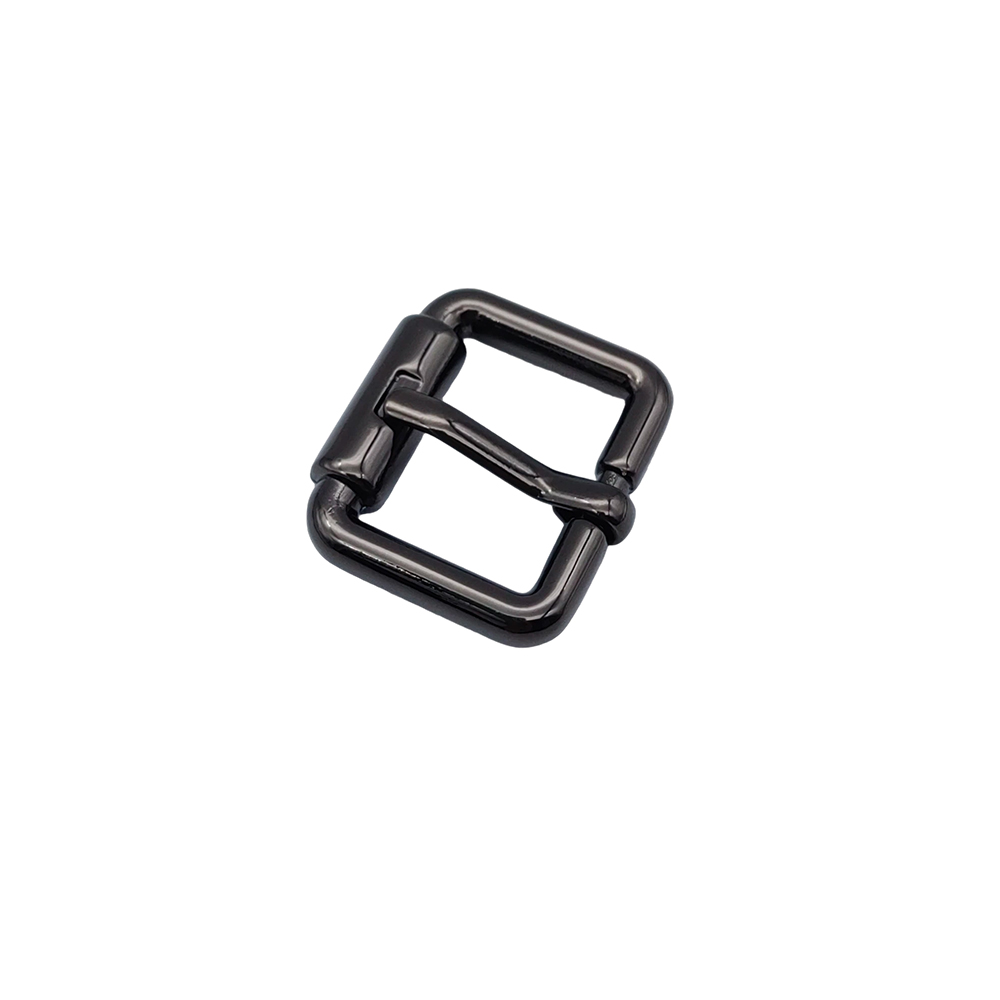
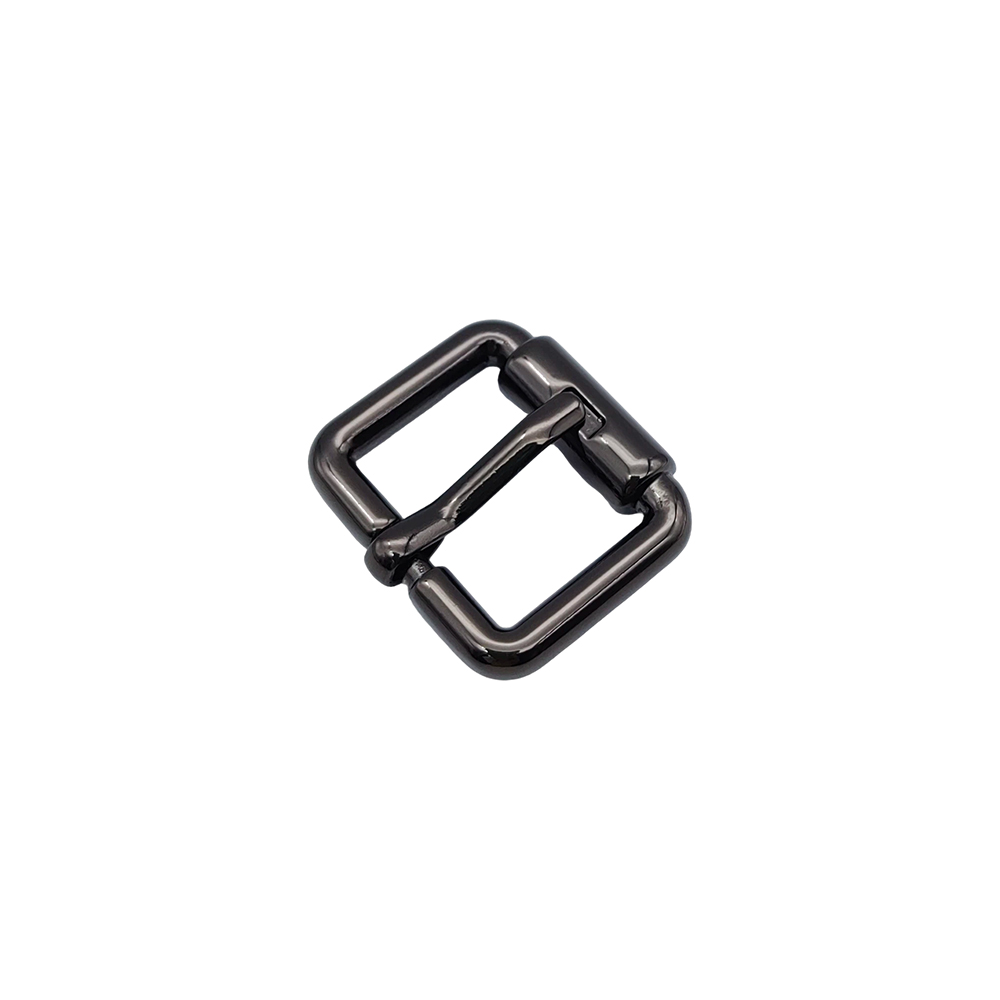
This roller pin buckle tends to work best for brands and factories with specific needs rather than every type of buyer.
Beyond the stock gunmetal finish shown here, this buckle can be developed further for brands that want a distinct look. Custom mold work allows for size changes to the bar span or frame thickness where the stock dimensions do not match your strap. Laser logo marking works well for fine detail on the flat face of the center bar, while emboss and deboss logo options change the surface physically rather than just visually,
Which some brands prefer for a more tactile branding touch. Oil filling is available for logo recesses where a color-filled mark is wanted against the metal finish. Electroplating can be adjusted beyond gunmetal to nickel, antique brass, matte black, and other finishes depending on your development timeline. For full private label programs, we also support barcode application, hang tag attachment, and retail box packaging so the hardware arrives ready for your existing supply chain rather than needing repackaging on your end.
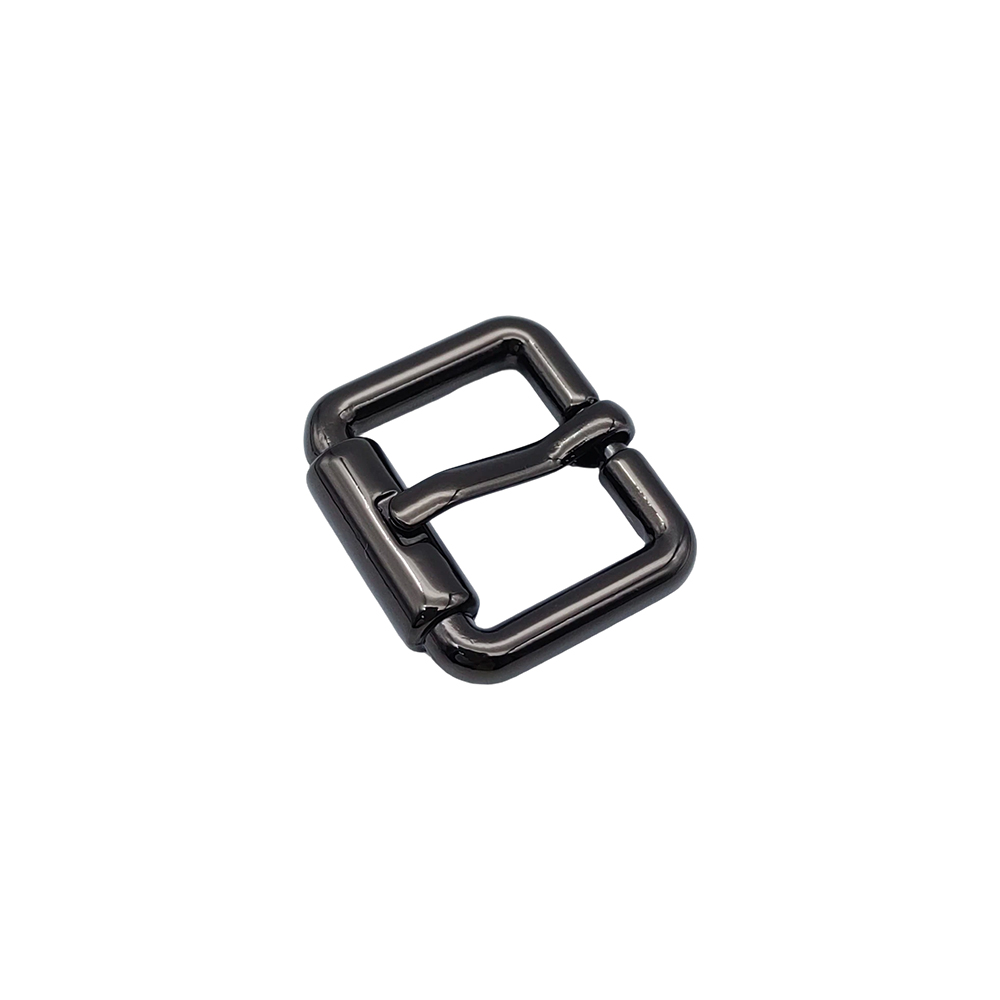
A European accessories brand we worked with last year came to us mid-development with a strap design that used a fixed pin buckle, and their sample straps were showing wear marks at the pivot point after only a few weeks of testing.
The team had not initially considered that the fixed pin was the source of the friction, since it looked identical to competitor products on the surface. Switching the same strap design to this roller pin buckle resolved the wear issue within one round of sampling, since the rotating pin no longer dragged against the leather every time the strap was resized. That kind of adjustment is common in strap hardware development, where the visible design looks nearly the same but the mechanical behavior underneath makes the real difference.
Typical applications include adjustable shoulder bag straps, convertible crossbody straps, belt hardware, and luggage strap systems where the strap length changes regularly rather than being set once.
Because the plating sits on a zinc alloy base, a few handling habits extend the finish life considerably. Prolonged exposure to high humidity can accelerate oxidation at any point where the plating is thin, so storage in a dry environment is preferable to damp warehouse conditions. Direct contact with sweat or body acids over long wear periods can dull plated finishes faster than dry use, which is worth noting for straps in direct skin contact. During shipping, individual poly bagging prevents surface scuffing from pieces rubbing against each other in transit. For cleaning, a soft dry cloth is sufficient for routine dust removal; harsh chemical cleaners are not recommended since they can strip plating over repeated use.
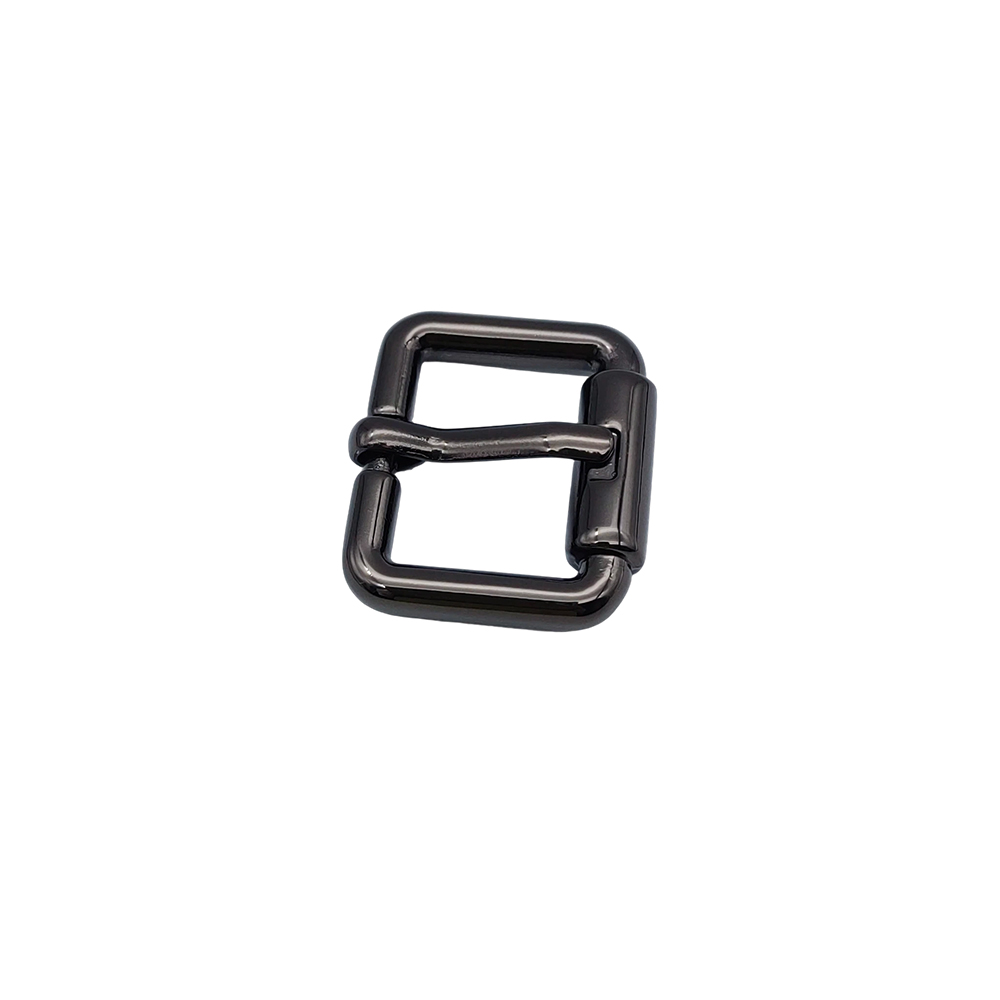
The standard minimum order quantity is 1000 pcs, which is negotiable based on order details such as combining with other hardware SKUs in the same order or adjusting for a trial production run.
Custom or tooled samples typically take 5-7 days. If you only need a stock sample of this exact piece to check fit and finish, that usually ships within 1-3 days since no mold changes are involved.
Yes, changing the bar span, frame thickness, or overall length requires a new or modified mold. Finish changes such as plating color do not require any mold work.
Free stock samples are available for this item. Custom samples that require mold or finish changes carry a sampling fee, which is fully deductible from your bulk order once confirmed.
We maintain quality certification documentation and are happy to provide the current valid certificates upon request during your sourcing evaluation.
Nickel, antique brass, matte black, and several other finishes can be developed depending on your brand’s finish palette and development timeline.
Yes, logo marking can be added through laser engraving, embossing, debossing, or oil filling, depending on the visual effect you want and whether mold changes are needed.
Standard packaging is pearl foam with an OPP bag inside an export carton. Customized packaging, including private label boxes and hang tags, is available for OEM programs.
We have been developing bag and strap hardware for close to two decades, which means our engineering team has seen most of the common failure points before they show up in a customer’s first bulk order, from roller pin binding to inconsistent plating on recessed surfaces.
Our sampling process is set up to catch mechanical issues, not just visual ones, so what you approve in sampling is what you should expect at scale. Communication stays direct with our engineering and sales team throughout development, and our QC inspection covers both dimensional accuracy and plating adhesion before any order ships. Many of our buyer relationships started with a single stock hardware order and grew into full OEM development programs over repeat seasons.
If you already have technical drawings for a strap hardware project, send them over and we can confirm feasibility against our current tooling. If you’re still evaluating suppliers, a free stock sample of this buckle is an easy way to check rotation quality and finish before committing to anything larger. We’re happy to review your strap specifications and suggest whether this roller pin design or an alternative buckle style fits your application better.
Want to see how our hardware feels in your hand? Download our 2026 Premium Hardware Catalog today, or request a batch of free stock samples for your next quality test—we usually ship them out within 12 hours.