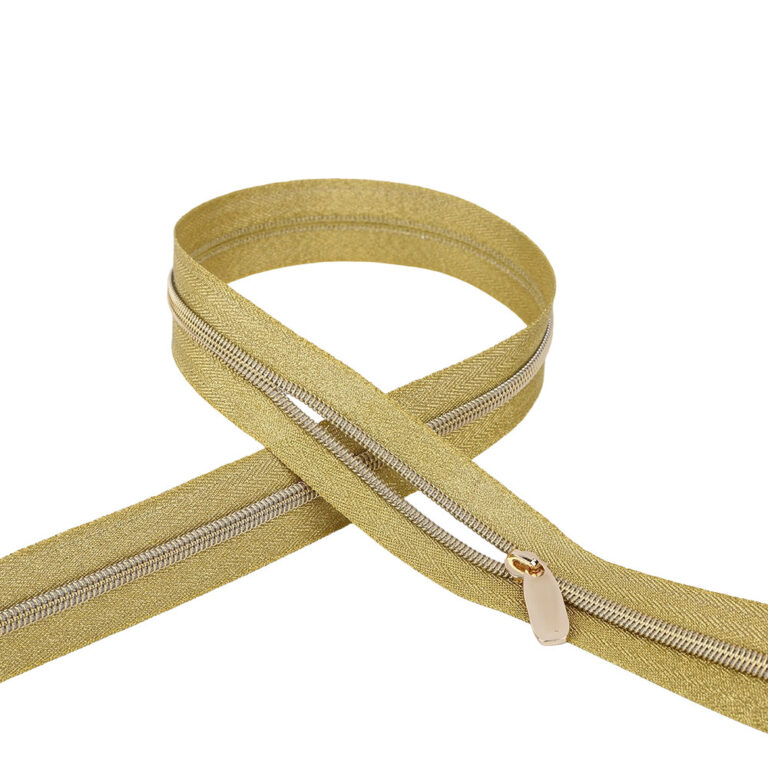
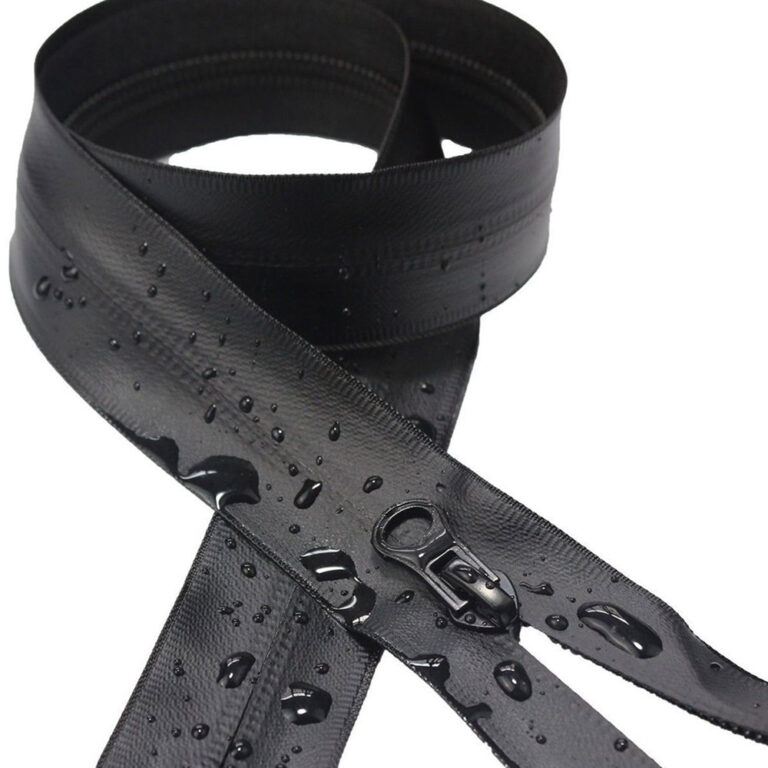
Most bag failures don’t start at the seams or the fabric — they start at the zipper. In our factory, when a customer sends back a “leaking dry bag” for inspection, nine times out of ten the fabric is fine and the waterproof zipper is where water actually got through. That’s usually because the tooth chain wasn’t molded tightly enough, or the tape coating separated from the base fabric under repeated flexing. This is the problem we set out to solve with our current airtight zipper line, built specifically for gear that genuinely gets submerged, not just splashed.
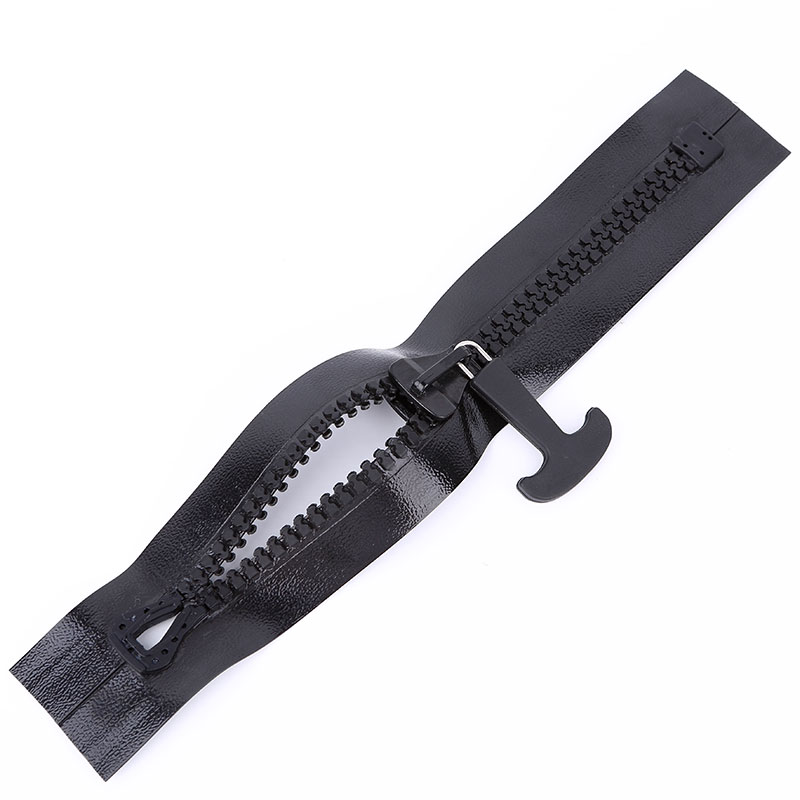
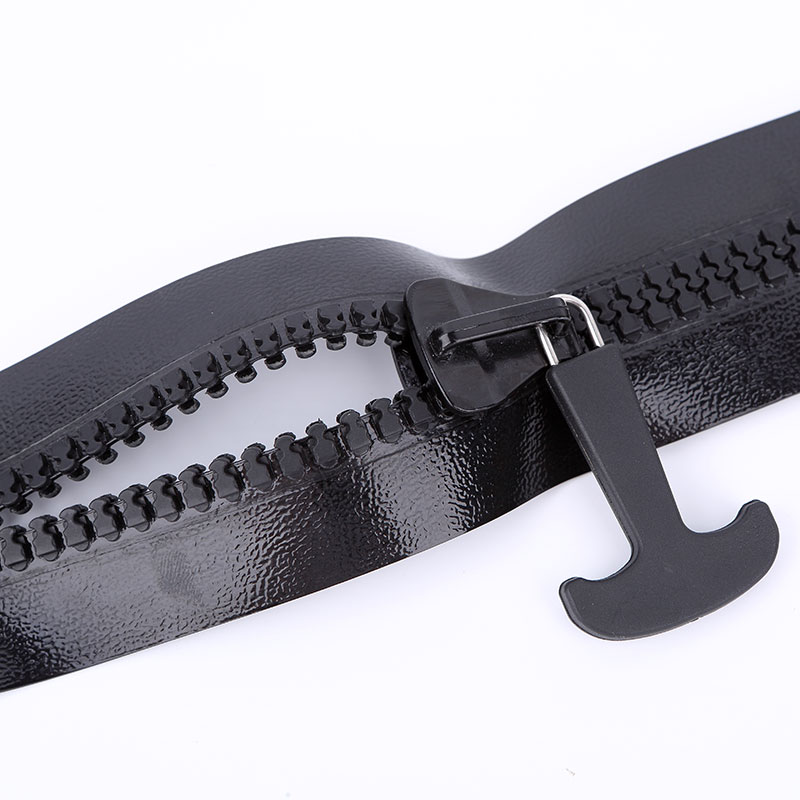
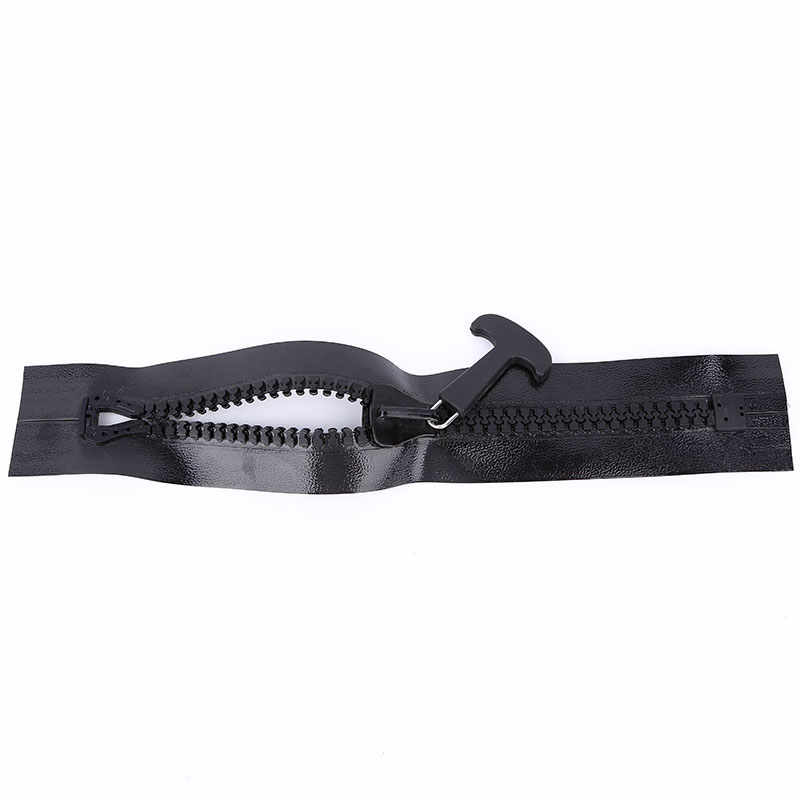
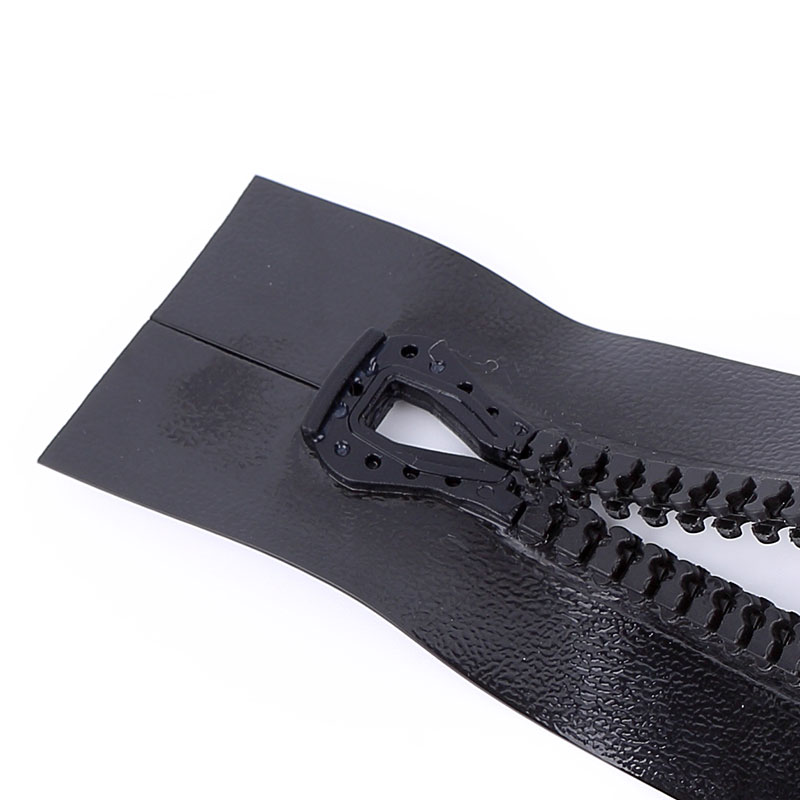
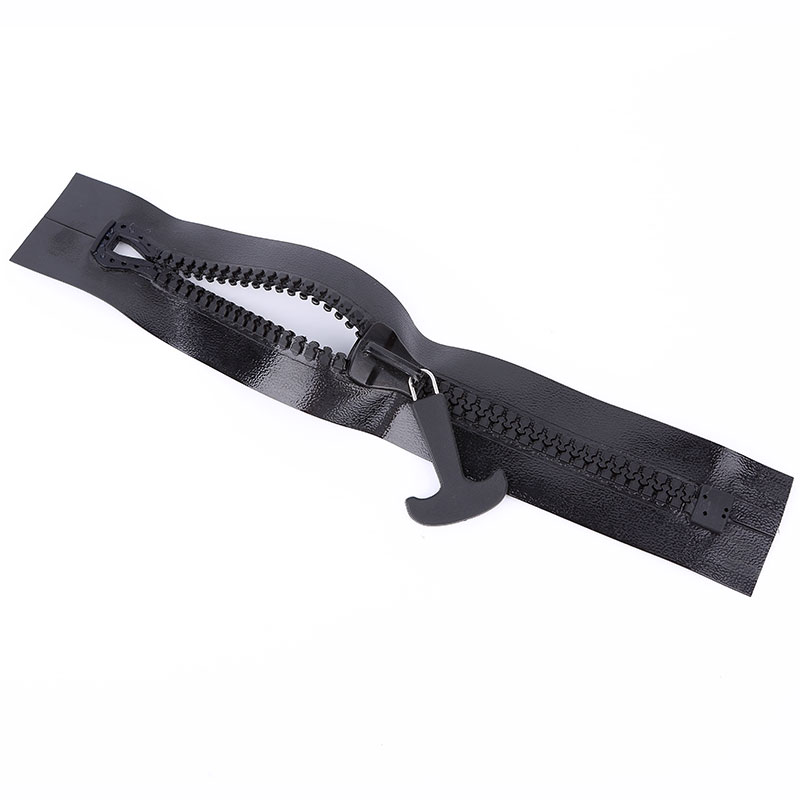
An airtight zipper isn’t just a regular zipper with a coating sprayed on top. The tooth chain itself is molded as one continuous strip of TPU, so there’s no gap between individual teeth for water to sneak through — unlike stamped metal or nylon coil zippers where the interlocking points are the weak spot. One thing buyers often ask is why we don’t just laminate a waterproof film over a standard zipper. The honest answer: lamination fails first at the pull tab and stitch line, while a molded TPU tooth stays sealed because the material itself is the barrier, not a coating on top of it.
During mass production, we control three things closely: tooth alignment (so the slider glides without gaps opening up), tape edge sealing (so water can’t wick sideways through the fabric weave), and slider tension (too loose and the seal doesn’t close fully, too tight and the pull tab fatigues early). These aren’t things you can inspect from a photo — they show up after a few hundred open-close cycles, which is why we run cycle testing before any large batch ships.
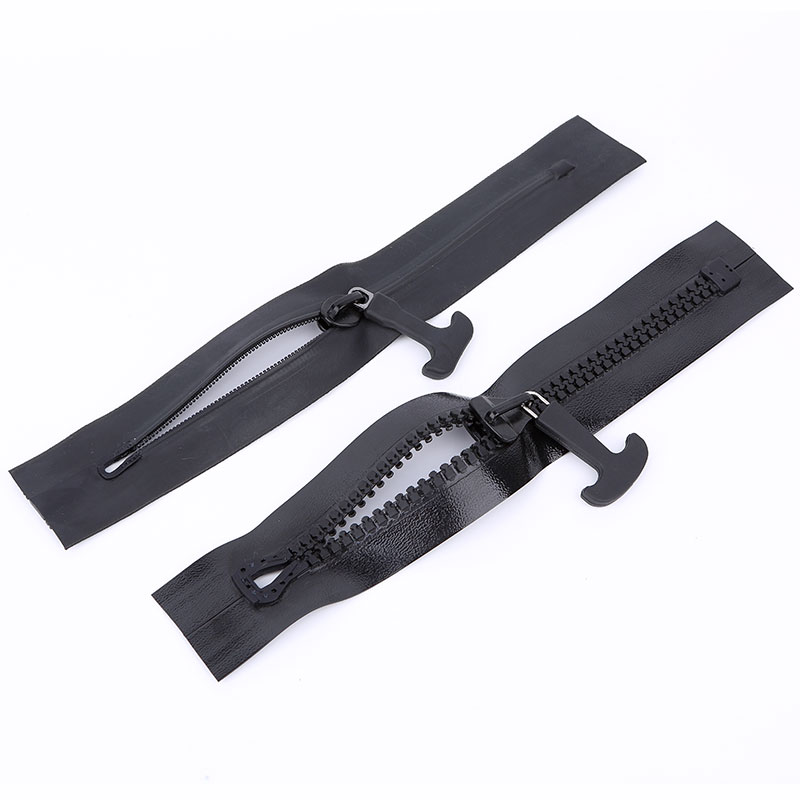
Since this is a TPU waterproof zipper and not a metal fitting, we don’t run salt spray testing the way we would on a plated buckle — instead, every production batch goes through hydrostatic pressure testing and a submersion air-tightness check, simulating the kind of pressure a diving backpack or drysuit zipper actually sees underwater. For projects targeting an IPX8 waterproof zipper rating, we test at sustained depth pressure rather than just a splash test, because that’s the standard most outdoor and marine buyers actually need documentation for. Sliders are also tension-checked so the seal closes fully across the entire length, not just at the ends where it’s easiest to inspect.
We also run a low-temperature bend test down to around -40°C, since TPU can stiffen and crack in cold storage or shipping if the compound isn’t formulated correctly — this matters a lot for buyers selling into colder climates or for gear like fishing waders and diving equipment that sits in cold water for hours.
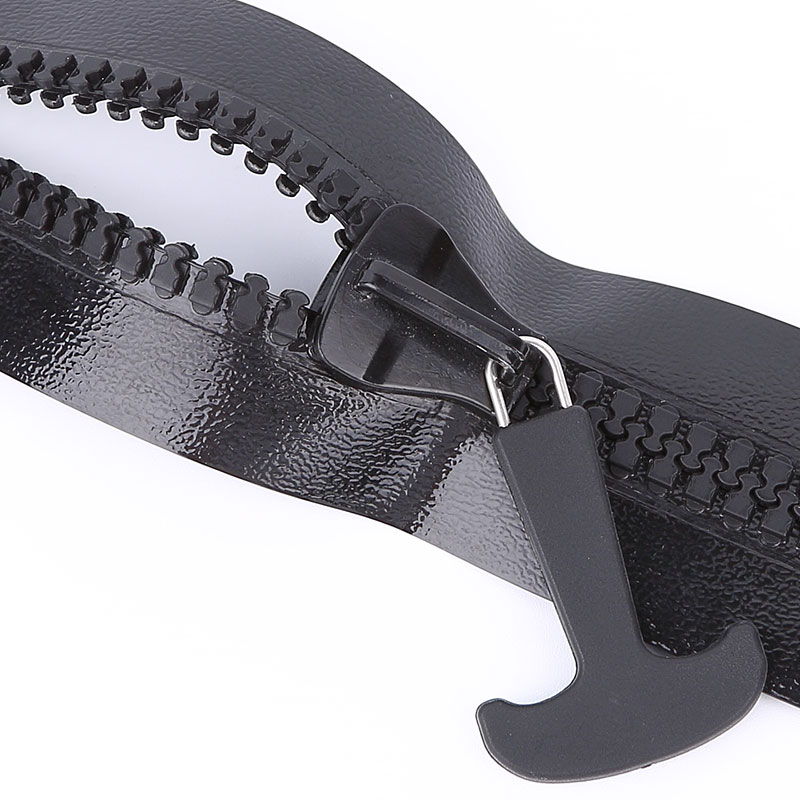
Most of our clients ask for TPU because it holds up better against oils, sweat, and repeated flexing than PVC, and it doesn’t get brittle as fast in cold weather. That said, for buyers with tighter budgets who don’t need the -40°C rating, we can offer PVC-coated tape as a lower-cost alternative — we’re upfront about the trade-off in flexibility and lifespan rather than just pushing whichever is cheaper for us to produce. The thermoplastic polyurethane compound used in the tooth chain is what gives this zipper its combination of flexibility and abrasion resistance, which is why it holds up better than rigid PVC in cold-weather or high-flex applications like backpack straps and wader knees.
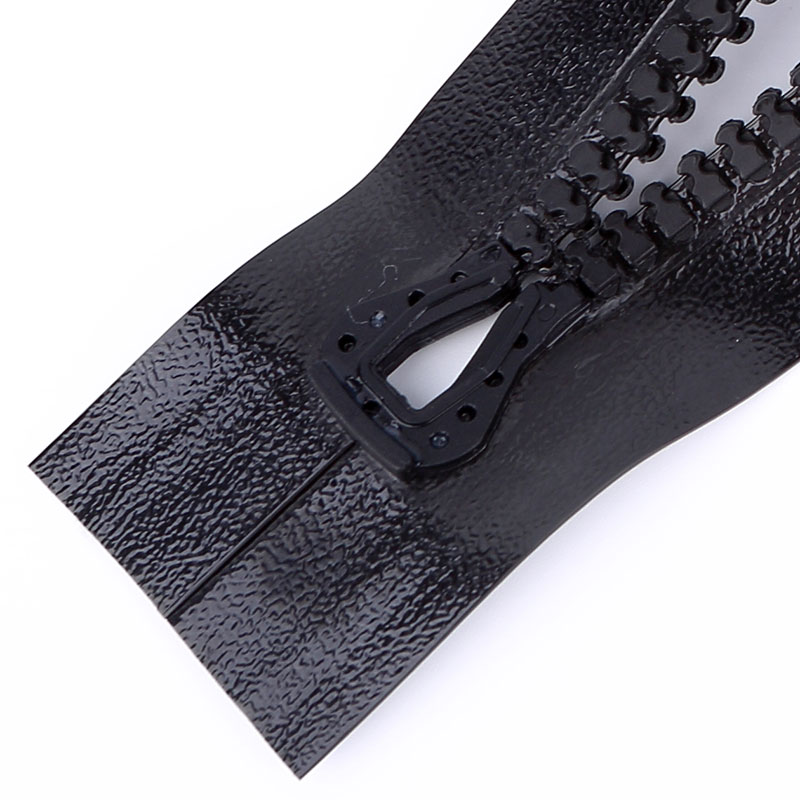
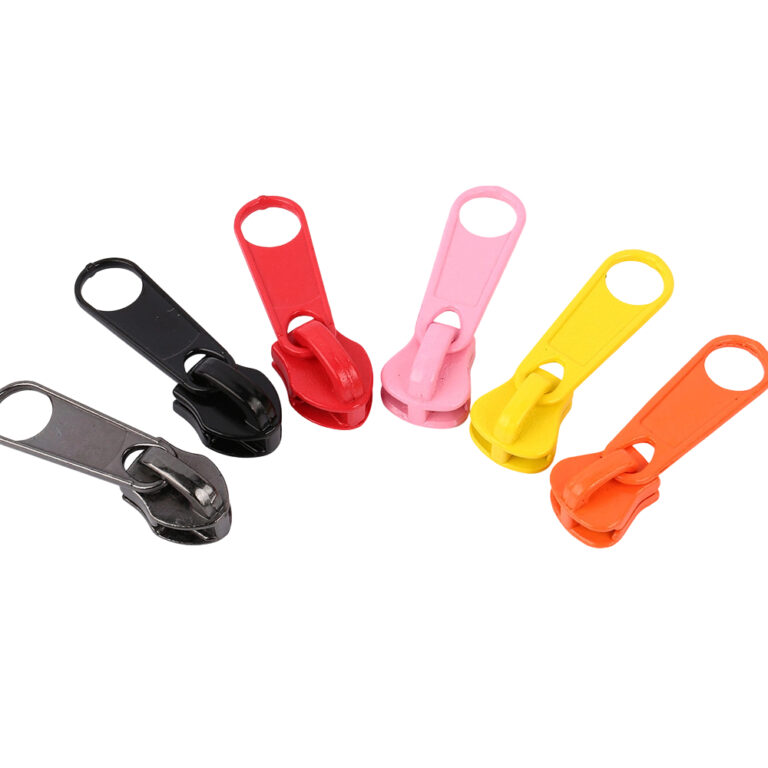
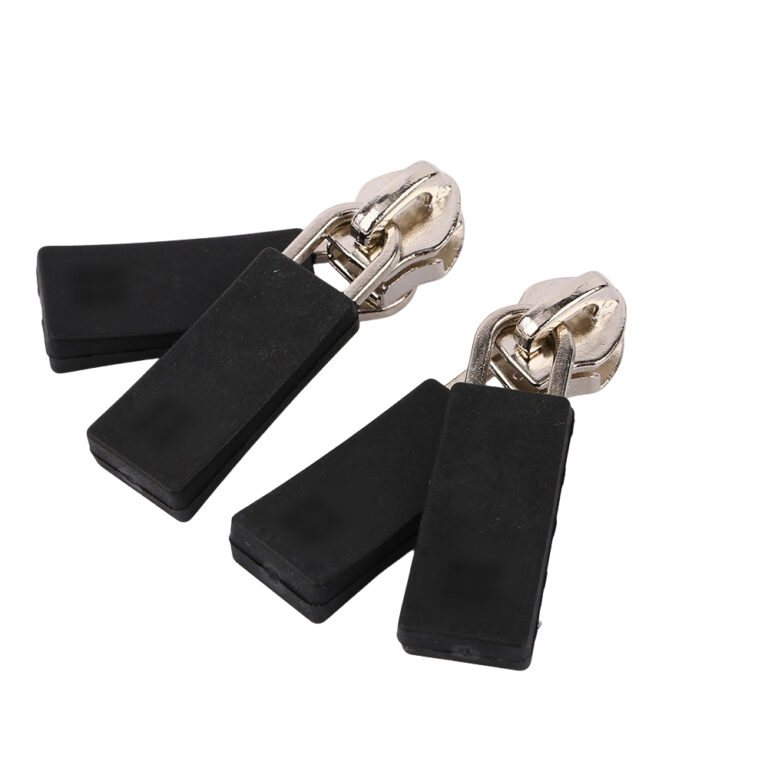
When a buyer sends us a drawing or a reference sample — even just a photo like the ones used to identify this product — our engineering team maps out tooth width, slider shape, and pull tab design before quoting mold cost. For a fully custom slider or pull shape, we open a new mold; for standard tooth profiles, we can often adjust color and length without any mold cost at all, which keeps first-order costs down for smaller brands testing a new product.
Free stock samples are available for buyers who just want to test fit and feel before committing. For fully custom specs that require a new mold, we charge a sample fee — but that fee is 100% deductible from the bulk order once production is confirmed, so it’s not really a cost, more of a deposit against the first order.
A mid-sized European outdoor brand came to us after getting repeat customer complaints about their drysuit-style backpack leaking at the closure, even though the fabric itself passed every test. Their existing supplier was using a standard coil zipper with a waterproof tape sewn over the stitch line — which worked in the lab but failed after a season of real use, once the tape started peeling at the corners.
We rebuilt the closure around a molded-tooth airtight zipper for dry bags, moved the seam to a heat-welded edge instead of stitching, and adjusted the slider tension so the seal closed evenly across the full width of the bag opening rather than tapering off toward the ends. After a round of submersion and cycle testing on our side, the brand ran their own field trials and confirmed zero leakage across their test units — and moved their next three production runs to us. It’s a pattern we see often: the fix usually isn’t a completely new design, it’s tightening the details that get overlooked when a zipper is treated as an afterthought instead of a core component.
Based on where our customers are deploying this closure, the most common uses are diving backpacks and dry bags, waterproof phone pouches rated for full submersion, fishing wader suits, chemical protective suits where an airtight seal is a safety requirement rather than a convenience feature, vacuum storage bags, and insulated ice/cooler bags. Each of these has slightly different priorities — a diving backpack cares most about repeated submersion cycles, while a chemical suit closure is judged more on chemical resistance and seal reliability under stress, not just water exposure.
Even a well-built watertight zipper needs basic care to hit its full service life. We recommend rinsing salt or sand off the tooth chain after ocean or beach use, since embedded grit is the number one cause of premature slider wear. Avoid storing finished goods folded tightly at the zipper line for long periods in cold storage, as this can stress the TPU at low temperatures. For buyers producing to environmental compliance standards, we can supply documentation referencing REACH substance restrictions for tape and slider materials on request — we don’t push this on every listing since it’s only relevant if your target market specifically requires it.
Custom samples typically take 5-7 days to produce and test. Once the sample is approved and the order confirmed, mass production runs 10-15 days, with international shipping adding another 10-15 days depending on destination and shipping method.
Yes — send us the physical sample or clear photos with measurements, and our team will assess tooth width, tape material, and slider style to quote a matching or improved version, flagging any differences in performance upfront rather than after production.
Custom slider or tooth profiles that require a new mold do carry a sample fee, but that fee is fully deductible from your bulk order once you move to mass production — it functions as a deposit, not an added cost.
Stock samples are free and usually ship within 1-3 days; you only cover the courier cost. Fully custom specs requiring a new mold do have a sample fee, which is credited back against your first bulk order.
Since this is a continuous material, our standard MOQ is 500 meters, though we can often adjust this depending on your specific project and whether it’s a first trial order or a repeat one.
We maintain quality certification documentation and are happy to provide the current valid certificates upon request during your sourcing evaluation, including material compliance references relevant to REACH where applicable.
Yes, depending on your fabric substrate, we can supply tape formulated for RF-welding or heat-welding onto TPU or PVC-coated fabrics, which is often more reliable than stitched construction for fully submersible applications.
We run hydrostatic pressure and submersion air-tightness testing on production batches, along with slider tension checks across the full zipper length, and our factory does a 100% visual and function check on finished goods before packing.
If you’re developing a dry bag, waterproof pouch, or protective suit and want a closure that won’t come back with leak complaints, send us your drawing or a reference sample and we’ll quote based on your actual specs — not a generic catalog size. Free stock samples are ready to ship for initial testing, and our team can walk you through mold options if your project needs a fully custom slider or color match.
Related Links:
If you need our premium hardware product catalog or free samples for quality testing, Please let me know.