
7 Zinc Alloy Types Explained: Properties, Casting and Hardware Uses
The use of zinc alloy types has a long history. As a manufacturer of handbag hardware, zinc alloy is one of the most commonly used materials in our production.
Compared to brass, zinc alloy offers excellent casting flexibility, lower cost, and high production efficiency, making it ideal for complex shapes and large-volume manufacturing.
In this guide, we break down zinc alloy properties, common types, and real-world applications based on practical factory experience.
What is Zinc Alloy?
Zinc alloy is a metal material primarily composed of zinc, combined with elements such as aluminum, copper, and magnesium. These additions improve strength, hardness, and casting performance.
The most commonly used zinc alloys in manufacturing belong to the Zamak series, such as Zamak 2, Zamak 3, and Zamak 5.
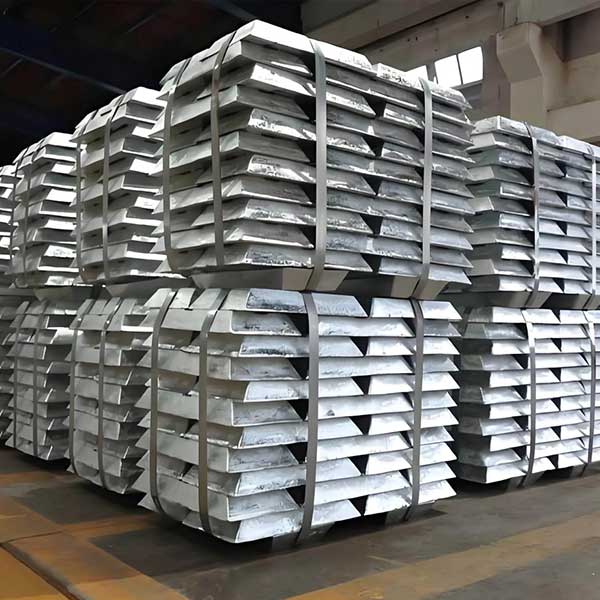
Common Zinc Alloy Types
- Zamak 2: Higher strength, contains more copper
- Zamak 3: Standard grade, widely used
- Zamak 5: Improved strength and hardness
- Zamak 7: Better fluidity for thin-wall casting
Among these, Zamak 3 is the most commonly used in hardware production due to its balance between cost and performance.
Key Mechanical Properties
Tensile Strength
- Zamak 3: approx. 280–320 MPa
- Zamak 5: approx. 300–350 MPa
Zinc alloy provides sufficient strength for most decorative and functional hardware components.
Elongation
- Zamak 3: 7–10%
- Zamak 5: 3–7%
Compared to brass, zinc alloy has lower ductility, which makes it less suitable for bending but ideal for casting.
Hardness
- Zinc alloy generally has moderate hardness
- Better wear resistance than many lightweight metals
Density
Zinc alloy is heavier than aluminum but lighter than brass, offering a good balance between weight and strength.
Why Zinc Alloy is Ideal for Die Casting
One of the biggest advantages of zinc alloy is its excellent die casting performance.
- Low melting point (~380°C)
- High fluidity for complex molds
- High dimensional accuracy
- Suitable for mass production
This allows manufacturers to produce intricate shapes that are difficult or expensive to achieve with brass.
Surface Finishing and Plating
Zinc alloy performs well in surface finishing processes:
- Electroplating (nickel, gold, black)
- Painting and coating
- Antique finishes
However, compared to brass, zinc alloy may require better surface preparation to achieve premium plating quality.
Applications in Bag Hardware
- Bag locks and turn locks
- Decorative buckles
- Logo plates
- Custom-shaped accessories
Zinc alloy is especially suitable for products that require detailed shapes and large production volumes.
Zinc Alloy types vs Brass types
- Zinc alloy: better for casting, lower cost
- Brass: better ductility, superior plating quality
- Zinc alloy: ideal for complex shapes
- Brass: better for high-end hardware
In practice, both materials are widely used depending on product requirements.
How to Choose Zinc Alloy for Your Product
- For complex designs → zinc alloy is preferred
- For high-end finish → consider brass
- For cost-sensitive projects → zinc alloy is more efficient
Choosing the right material depends on balancing cost, design, and production method.
Conclusion
Zinc alloy plays a key role in modern hardware manufacturing due to its casting flexibility and cost efficiency.
Understanding its properties helps manufacturers and buyers make better decisions when developing new products.
If you are developing custom hardware, feel free to contact us for material suggestions based on your design and budget.
FAQ
What is the most common zinc alloy?
Zamak 3 is the most widely used due to its balance of cost and performance.
Is zinc alloy stronger than brass?
No, brass generally has higher strength and ductility.
Why is zinc alloy used for casting?
Because of its low melting point and excellent fluidity.
Is zinc alloy good for plating?
Yes, but it requires proper surface treatment for best results.
Zinc Alloy Properties Table
| Type | Main Elements | Tensile Strength (MPa) | Elongation (%) | Hardness | Key Features |
|---|---|---|---|---|---|
| Zamak 2 | Zn-Al-Cu | 330–380 | 3–5 | High | High strength, less ductile |
| Zamak 3 | Zn-Al | 280–320 | 7–10 | Medium | Most widely used |
| Zamak 5 | Zn-Al-Cu | 300–350 | 3–7 | Medium | Improved strength |
| Zamak 7 | Zn-Al | 260–300 | 10–12 | Lower | Better fluidity |
This is a detailed introduction of the brass material.
This is a detailed introduction of the zinc alloy material.
Close-up comparison of four materials: zinc alloy, copper, stainless steel, and iron
Due to its excellent casting versatility and durability, zinc alloy is the premier choice for manufacturing heavy-duty fashion accessories, especially for premium zinc alloy zipper hardware and custom pulls.