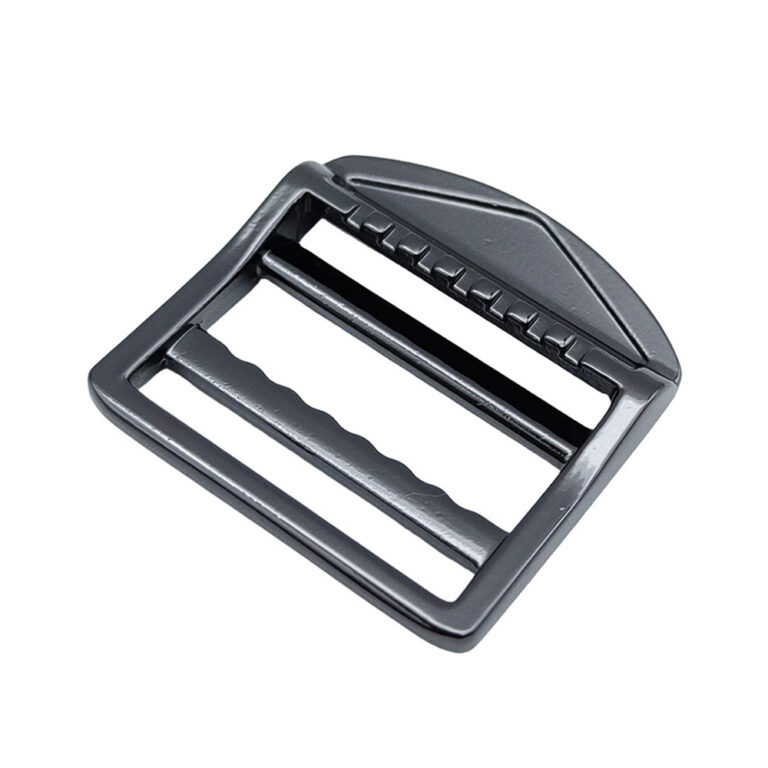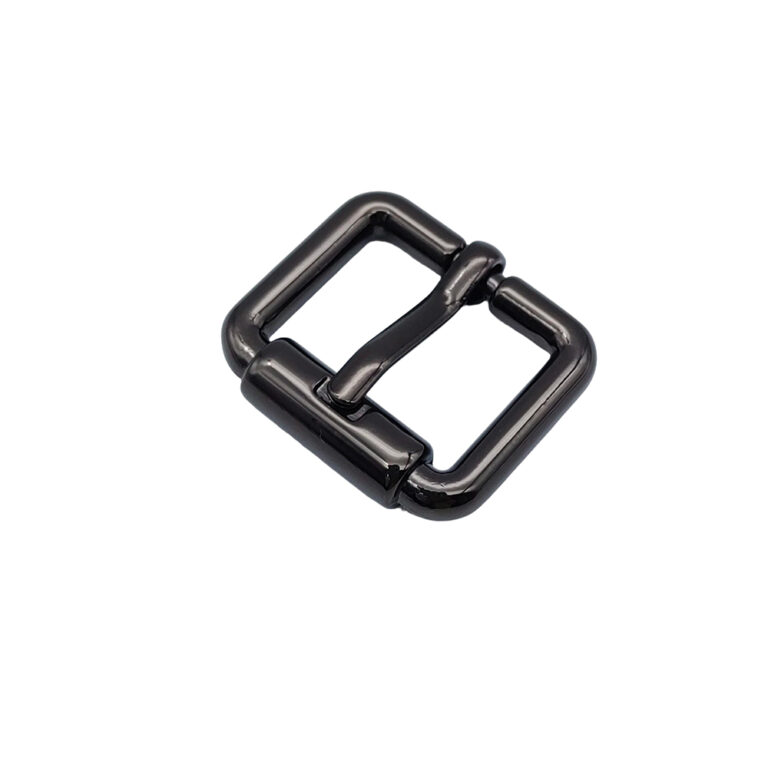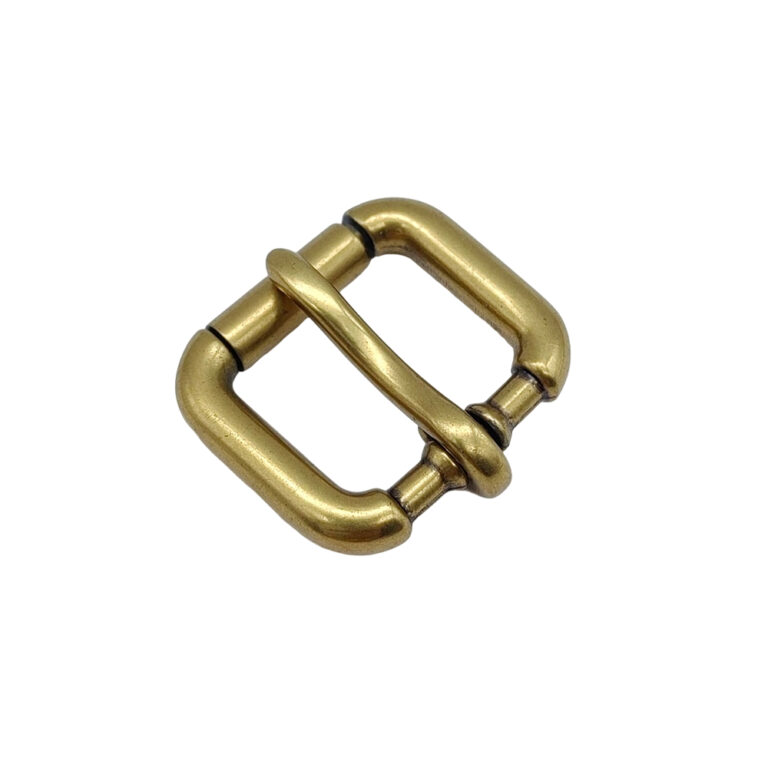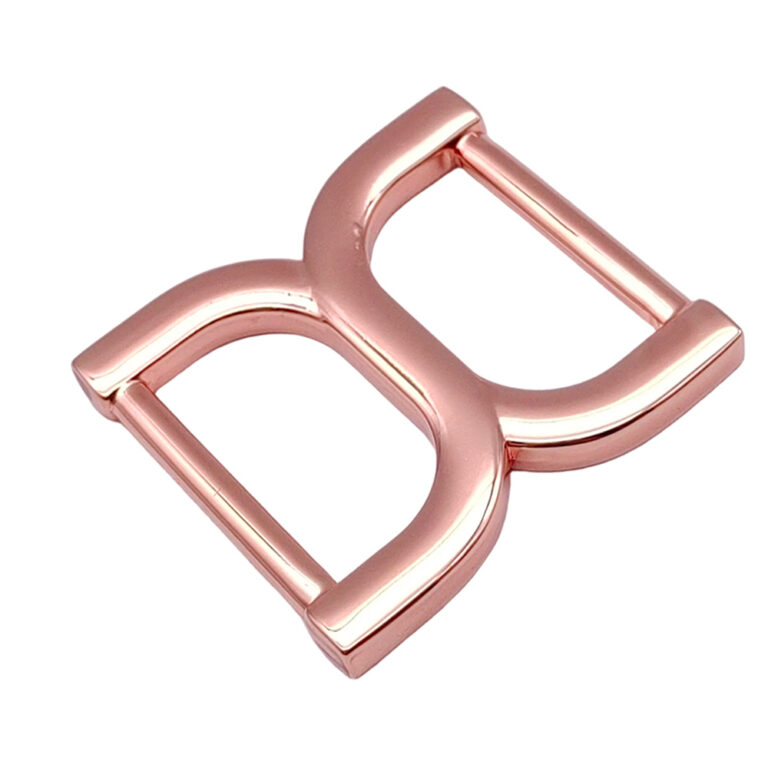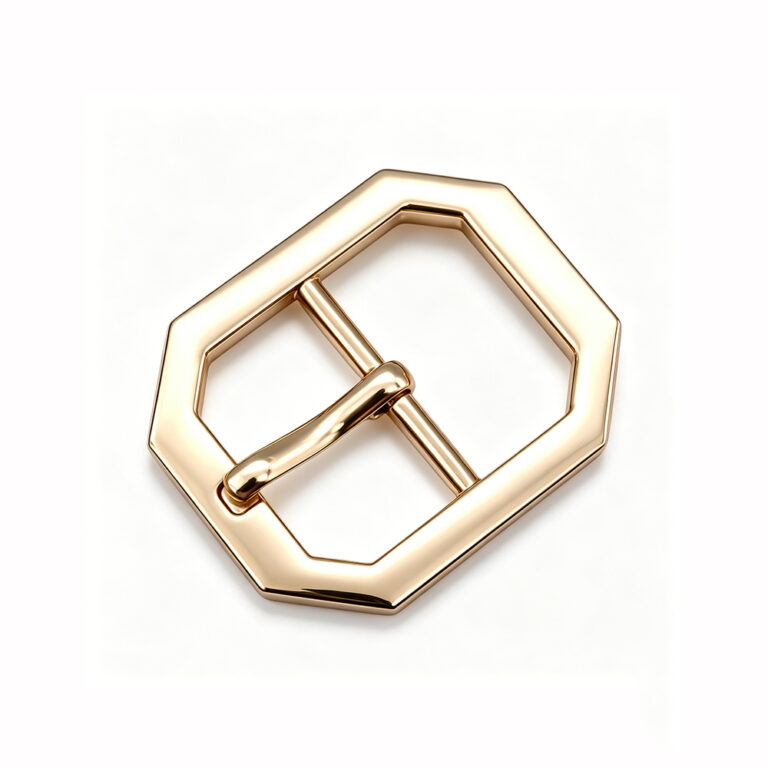
What is a ladder lock buckle? It is a webbing adjustment component that uses a rectangular frame, a toothed contact area and a textured center bar to change strap length and help hold the webbing in position. DG-LB25 is a black Zinc Alloy metal ladder lock buckle made by Die Casting and finished with Electroplating for confirmed 25 mm / 1 inch webbing. The effective webbing width is 25.5 mm, the external width is 30.5 mm, and the product weighs approximately 9.2 g. The compact format is suitable for backpack straps, handbag straps, luggage straps, outdoor gear and other webbing assemblies where controlled adjustment is needed.
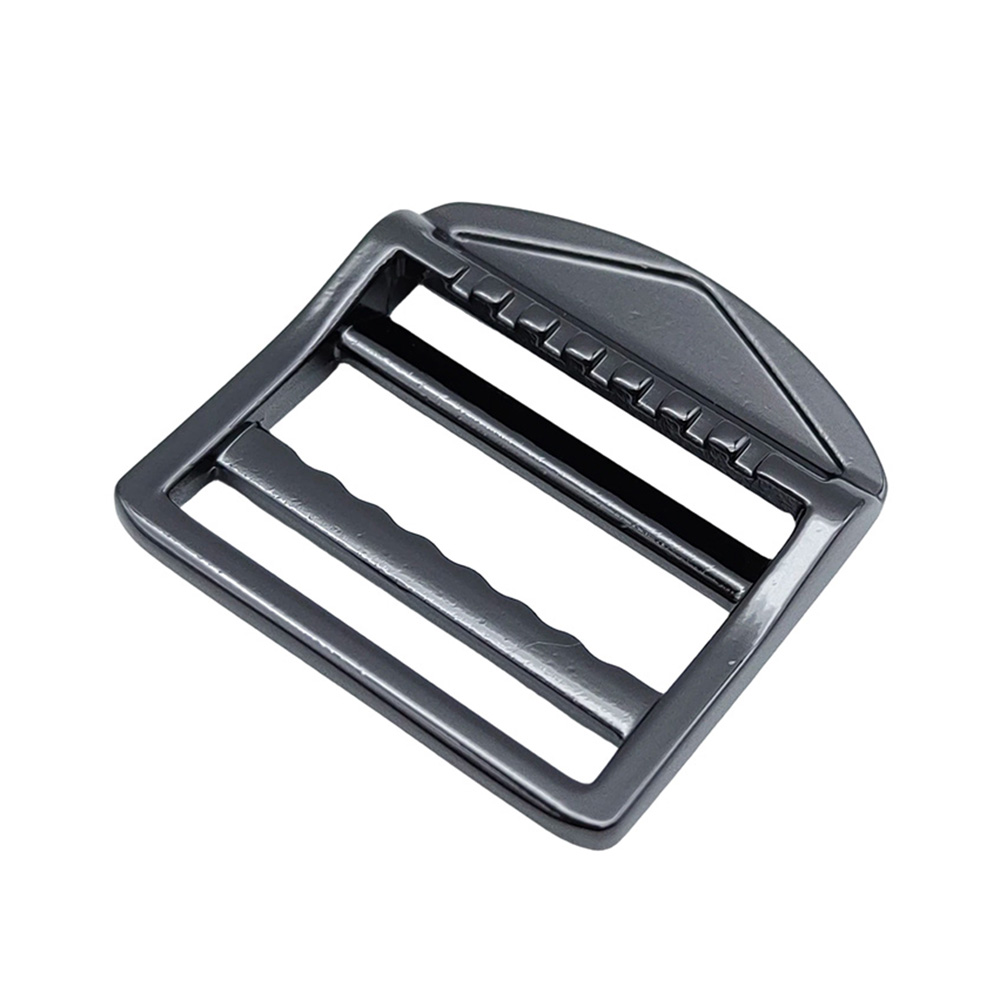
The working principle is simple, but the details matter during product development. The strap passes through the rectangular frame and returns around the center bar. When the free end is pulled, the buckle changes the usable strap length. When tension is applied, the folded webbing presses against the contact surfaces. The toothed section increases local friction, while the textured center bar helps reduce unwanted movement.
This makes the product different from a plain ring or a decorative buckle. A ring can redirect webbing, but it does not automatically provide the same adjustment geometry. A ladder lock slider is selected when a buyer wants adjustability without adding a separate side-release mechanism. It is often used on straps that need to be fitted, tightened or repositioned during use.
The product should be evaluated as a functional strap component rather than as a purely decorative piece. In a backpack or luggage assembly, the final performance depends on the buckle, the webbing width, webbing thickness, fold-back length, sewing method and applied tension. The hardware cannot be evaluated independently from the complete strap system.
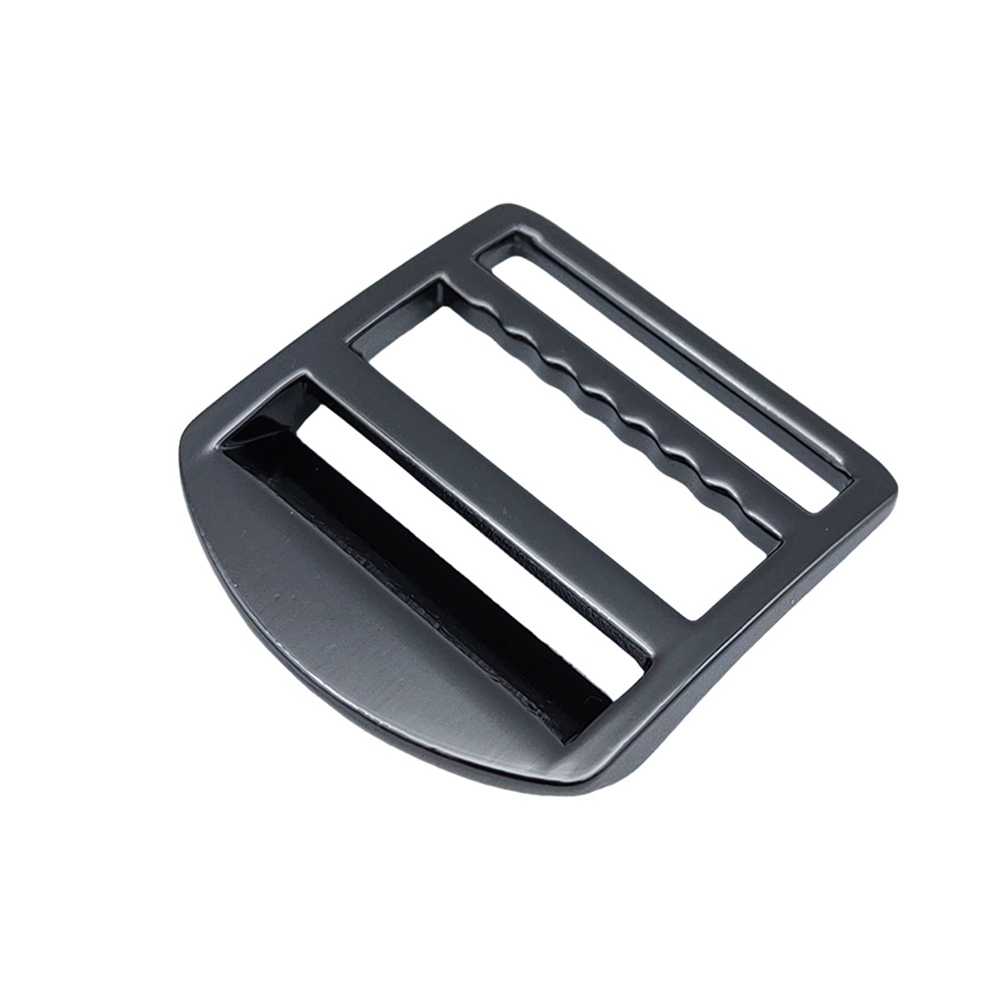
For this product, the confirmed 25.5 mm effective webbing width is specified for 25 mm / 1 inch webbing. That decision is important because webbing hardware is normally purchased by the effective passage width rather than by the outside dimensions of the frame. The external width is 30.5 mm, while the fit is determined by the actual webbing channel and the thickness of the strap.
In practical sourcing, a 1 inch strap adjuster is commonly paired with 1 inch nylon, polyester or polypropylene webbing. The buyer should still test the actual strap roll because nominal webbing width can vary slightly between mills. Coated, laminated or heavily woven straps may also behave differently from soft plain webbing.
A useful sampling check is to test the buckle with the thinnest, nominal and thickest webbing planned for the project. The strap should pass through the channel without forced folding, and the free end should have enough length to create a stable return path. If the strap is too thin, the adjustment may feel loose. If it is too thick, threading may become difficult and the buckle may not close around the intended contact area.
A ladder lock is a strap-adjustment design with a ladder-like internal geometry. The name describes the shape and function of the contact structure. Buyers may also see the terms tension lock buckle, ladderlock buckle or strap adjuster in different channels. The exact geometry can vary, so the product drawing and webbing fit should always take priority over the name alone.
A tri-glide usually has a simpler three-bar arrangement and is often chosen for general length adjustment. A ladder lock can provide a more defined locking path when the webbing folds around a textured or toothed bar. Neither style is automatically better. The correct choice depends on strap thickness, applied tension, adjustment frequency, appearance and assembly method.
A metal version is normally considered when the design needs a denser appearance, a more substantial hand feel or a finish that coordinates with other bag hardware. It may also be preferred for products where the buckle is visible. However, the buyer should not assume that metal alone proves a specific load rating. The alloy, geometry, coating, edge condition and test method still need confirmation.
Different markets use slightly different names for the same purchasing need. A buyer may search for ladder buckles, backpack ladder lock, ladder lock slider buckle, ladder lock buckle strap, ladder lock strap or ladder lock webbing. Other useful descriptions include webbing ladder lock buckle, webbing strap ladder lock buckle, metal ladder buckle, metal tension lock buckle, tension buckle, webbing strap adjuster, buckle adjuster, webbing adjuster buckle, webbing slide adjuster, backpack strap adjuster, backpack adjuster, metal backpack strap adjuster, ladder lock strap adjuster, metal webbing adjuster, cinch strap buckle, strap adjustment buckle, 25mm ladder lock buckle and black ladder lock buckle. These terms should be matched to the drawing, application and effective webbing width rather than treated as interchangeable product specifications.
| Selection Point | What the Buyer Should Check |
|---|---|
| Adjustment type | How the strap folds and whether the free end can be repositioned easily |
| Webbing width | Confirmed 25.5 mm or 1 inch effective passage width |
| Webbing thickness | Actual minimum and maximum thickness of the production strap |
| Contact surface | Whether the teeth and center bar provide grip without cutting the webbing |
| Overall size | Whether approximately 30.5 mm by 32.2 mm fits the product pattern |
| Visible finish | Color consistency, edge smoothness and resistance to handling marks |
| Assembly route | Manual threading, sewing, replacement installation or semi-automatic assembly |
| Test requirement | Pull, cycle, abrasion, salt spray or other tests required by the buyer |
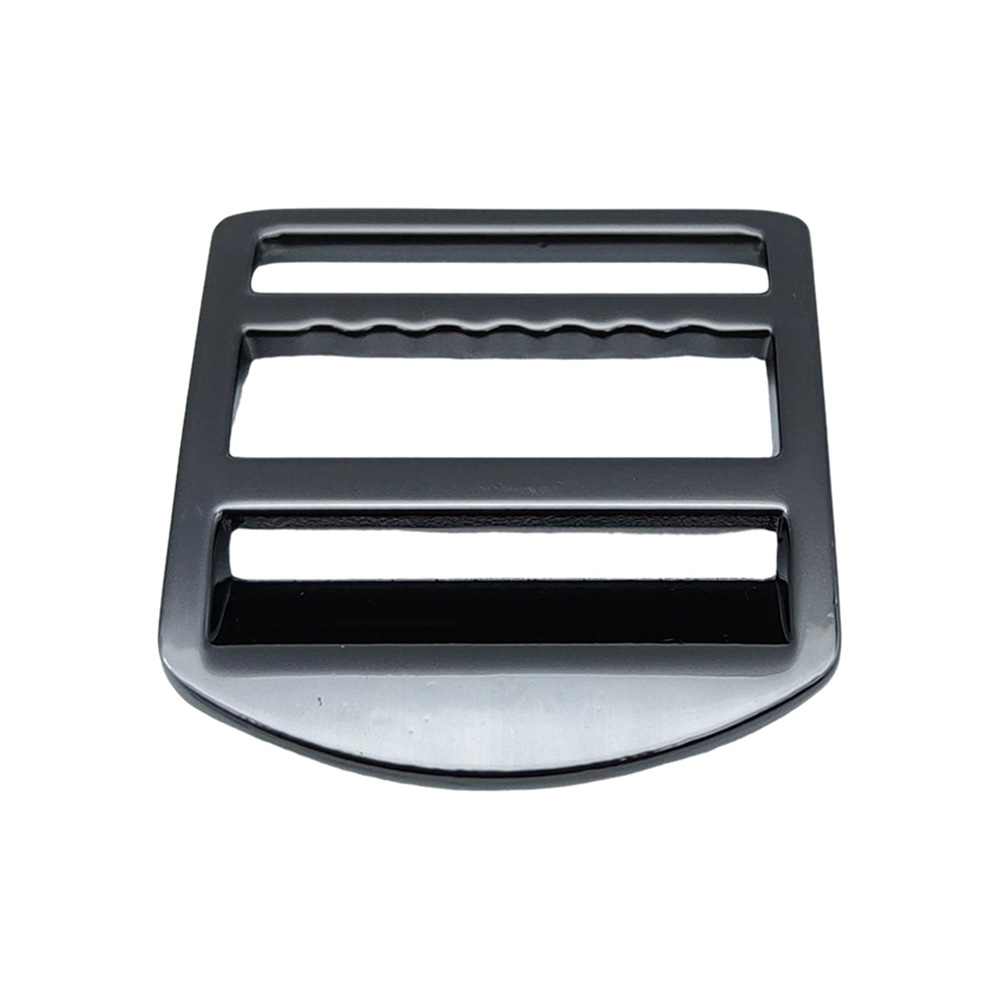
DG-LB25 uses Zinc Alloy and is manufactured by Die Casting. The black surface is finished by Electroplating. This combination gives the product a defined metal appearance while allowing the supplier to review frame geometry, center-bar position, edge condition and finish coverage as separate quality points.
Before a buyer approves the production sample, the supplier should review the raw material, die-casting condition, trimming method, polishing level and Electroplating coverage. The inspection should include parting lines, gate marks, edge trimming, recessed-area coverage and any visible variation around the toothed contact section.
Black is the current standard finish. Gunmetal, silver, gold, nickel and customized colors are also available for evaluation. A handbag brand may want the buckle to match a logo plate, D ring, zipper pull or strap hook. The sample approval should compare all components under the same lighting and after normal handling.
The following comparison helps buyers choose between common adjustment approaches. It is not a substitute for a product-specific pull test, but it provides a practical first filter.
| Hardware Option | Main Advantage | Main Limitation | Typical Use |
|---|---|---|---|
| DG-LB25 ladder lock buckle | Compact adjustable path with structured contact surfaces | Requires correct threading and webbing thickness | Backpack straps, bags, luggage and equipment straps |
| Plain tri-glide | Simple and familiar strap adjustment | May require more careful friction matching | General bag and apparel straps |
| Plastic strap adjuster | Low weight and corrosion-free appearance | May not match visible metal hardware sets | Lightweight outdoor and consumer products |
| Fixed D ring | Simple redirection of webbing | Does not provide the same adjustment function alone | Anchoring and strap routing |
| Side-release buckle | Fast separation of the strap | Bulkier and functionally different from a slider | Removable backpack and equipment straps |
| Hook-and-loop adjustment | Very quick and flexible positioning | Different appearance and wear behavior | Soft goods and temporary fitting |
| Stitched fixed loop | Stable finished length | Limited adjustability after production | Fixed bag handles and sewn assemblies |
| Custom molded adjuster | Can be designed around a dedicated strap system | Requires tooling and development time | Private label and high-volume programs |
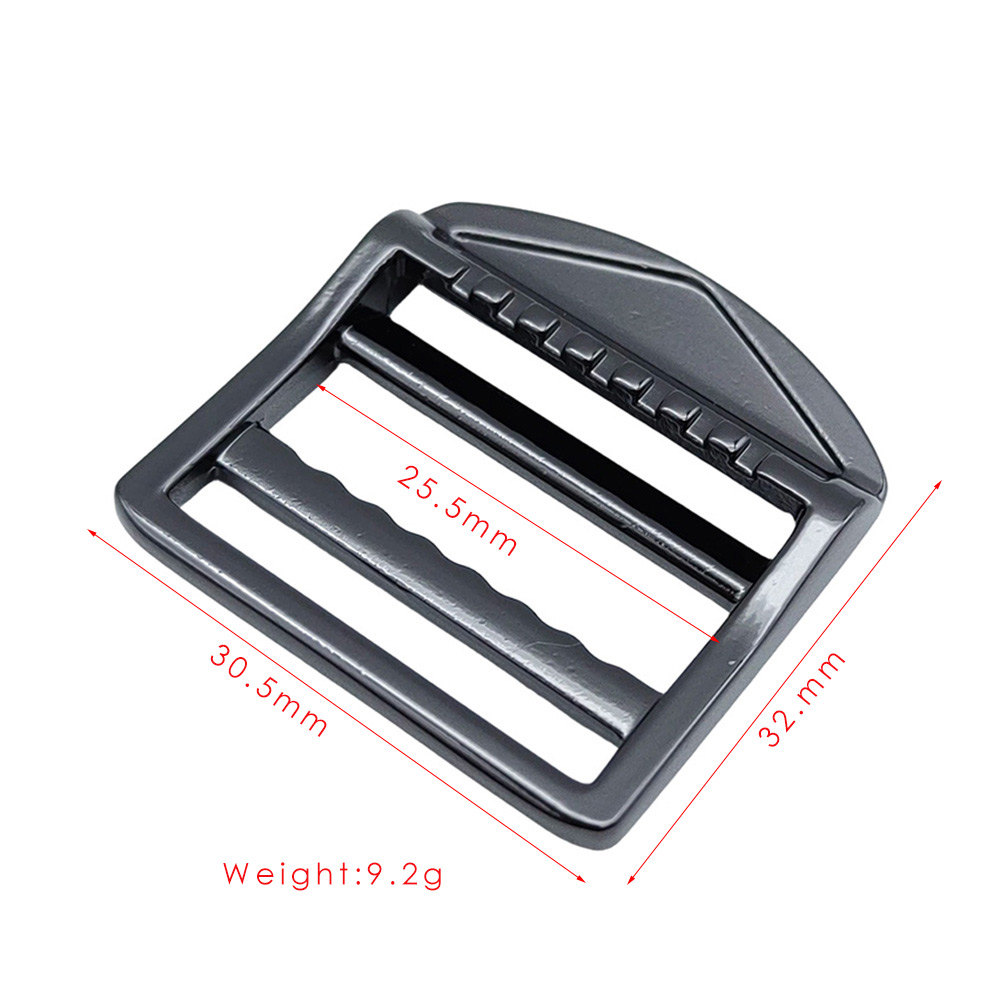
The supplied drawing gives buyers three useful dimensions and one mass reference. Each measurement should be used for a different engineering decision.
For a production drawing, DG Buddy should receive the effective passage width, material callout, finish callout, tolerance, edge-radius requirement and any pull-test reference. The image dimensions alone are not sufficient for a complete engineering release.
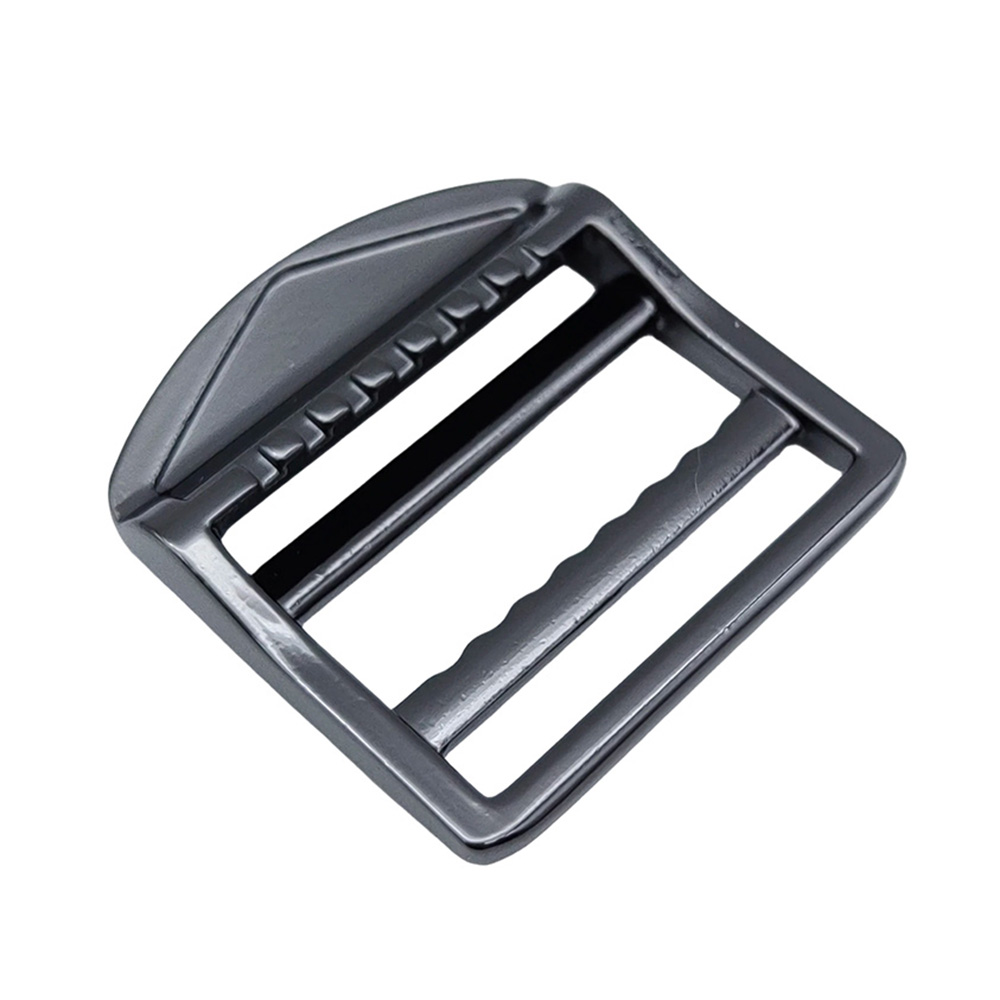
In our factory discussions, small strap hardware often creates returns because buyers approve the appearance before checking the functional interfaces. The production review should therefore follow the part from incoming material to packed component.
Salt spray testing, abrasion testing or pull testing should be specified only when the buyer defines the required standard and test condition. A supplier should not claim a result without a documented method, sample quantity and acceptance limit.
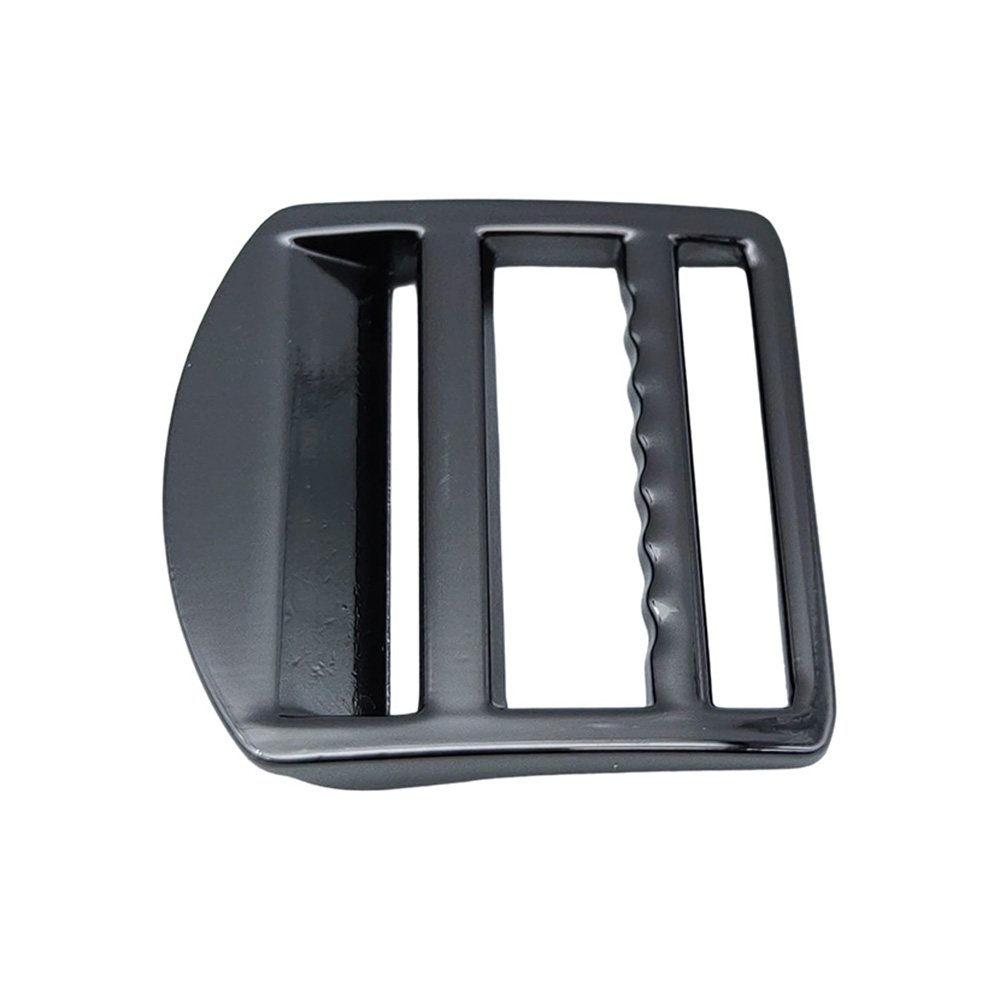
DG-LB25 is a practical fit for buyers developing black strap systems around confirmed 1 inch webbing. It is relevant to backpack brands, luggage companies, handbag developers, outdoor equipment makers, uniform and workwear designers, pet-product developers and OEM factories that need a compact adjustable component.
It is especially suitable when the design needs a visible metal appearance and a controlled strap adjustment path. It may be less suitable when the product requires rapid one-hand release, an ultra-light plastic component or a formally certified high-load assembly. In those cases, the buyer should compare a side-release solution, a plastic adjuster or a dedicated load-tested system.
For commercial investigation, the most efficient next step is to send the strap width, strap thickness, target application, finish reference, estimated quantity and required tests. This allows the factory to review the correct sample instead of quoting from a product photo alone.
DG Buddy can review OEM and ODM requirements around the confirmed DG-LB25 platform. The development route normally begins with the application drawing and target webbing. If the standard geometry does not meet the project, the factory can review a Custom Mold or design adjustment.
Free stock samples available. Custom samples require a sampling fee. Custom sample fees are fully deductible from bulk orders. Courier charges are borne by the customer.
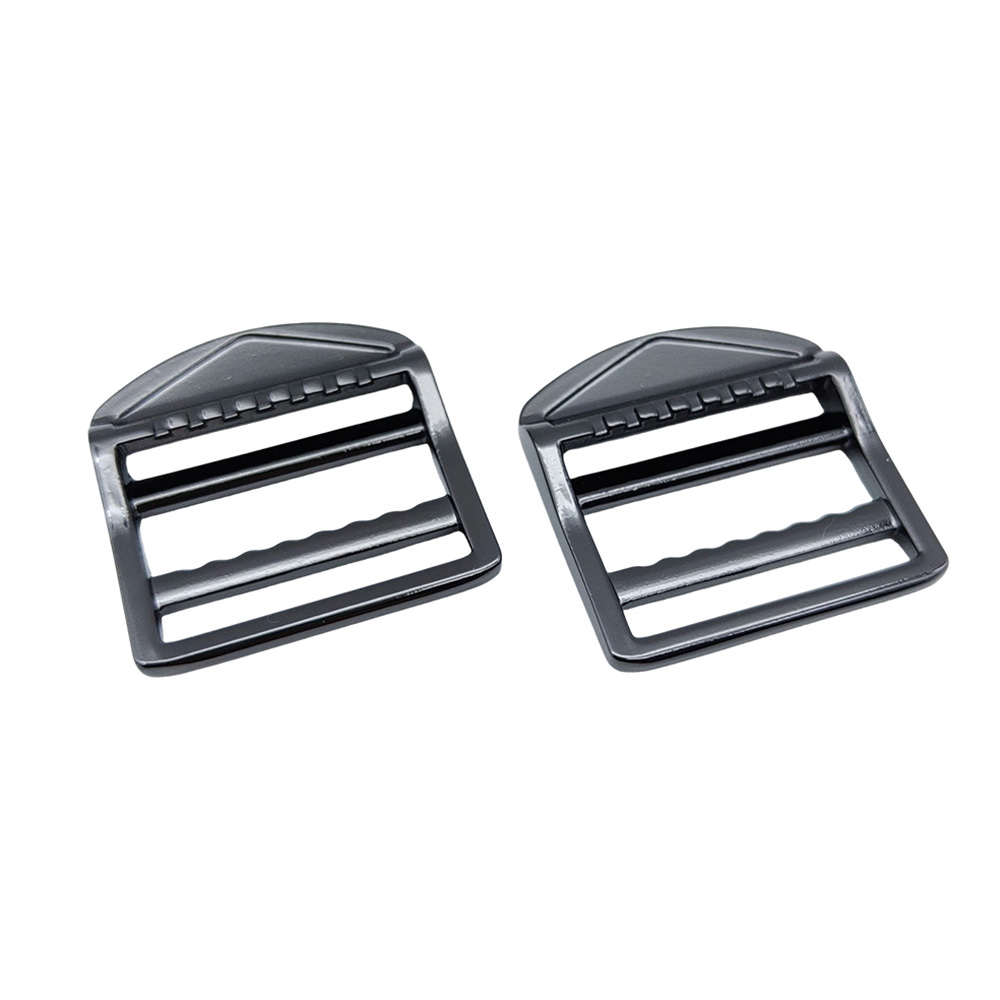
In backpack development, the buckle can be used to adjust shoulder-strap length, compression straps or accessory webbing. It can serve as a backpack strap tightener when the design requires a compact way to take up excess length. In handbag development, it can coordinate with visible bag hardware. In luggage, it may support a strap that needs visual coordination with other metal components. In outdoor gear, its value comes from compact adjustment and a defined strap path.
A typical buyer story starts with a sample strap that looks correct but gradually shifts during use. The development team then compares a plain slide adjuster with a ladder lock design, tests the same webbing through both parts and checks the adjustment force. The final choice is based on stability, appearance, assembly time and return-risk reduction rather than on the product name alone.
Black metal hardware should be stored in a dry environment and protected from direct contact with moisture, acids, sweat residue and abrasive metal parts. Pearl foam and an OPP bag help separate the components during transport, while the export carton provides outer protection. If the product is assembled into a finished bag, cleaning instructions should avoid aggressive chemicals that could affect the finish or the webbing.
During development, inspect samples after simulated handling, strap movement and storage. Pay attention to color transfer, surface scratches and any change in adjustment feel. Products exposed to coastal humidity, perspiration or frequent outdoor use may need a defined surface-treatment and corrosion-test requirement.
The standard MOQ for this individual buckle hardware is 1000 pcs, negotiable based on order details. The final quantity may depend on finish, packaging, custom tooling, color selection and whether the buyer is ordering a standard component or a new OEM version.
The standard sample time for a customized or development sample is 5–7 Days. Standard production time is 10–15 Days, and delivery time is 10–15 Days. Actual timing should be confirmed after the drawing, finish, order quantity and destination are reviewed.
OEM / ODM customization can be evaluated for size, material, finish, color, logo, packaging and private-label requirements. A buyer should provide the target webbing, drawing, reference finish and expected quantity so the factory can determine whether an existing platform or new tooling is more appropriate.
Free stock samples available. Custom samples require a sampling fee. Custom sample fees are fully deductible from bulk orders. Courier charges are borne by the customer. Sample approval should include both the loose hardware and the finished webbing assembly.
DG-LB25 is made from Zinc Alloy by Die Casting, with an Electroplating surface treatment. Buyers should still request the material callout, finish reference and any required inspection documentation during sourcing evaluation, especially when the buckle will be used with other visible handbag or luggage hardware.
Check color consistency, edge coverage, recessed-area coverage, adhesion, scratch resistance and visual matching with other hardware. If the finished product will contact sweat, humidity or outdoor conditions, agree on the applicable corrosion or salt spray test method before production.
It may be suitable for selected replacement projects, but compatibility cannot be assumed from the name alone. Confirm the effective webbing width, strap thickness, outer clearance, threading path and required adjustment direction. A replacement sample should be tested in the original strap construction before bulk purchase.
The standard packaging is Pearl Foam + OPP Bag + Export Carton. Customized Packaging Available. Customized Packaging can include a Barcode, Hang Tag or Retail Box when requested. Those requirements should be confirmed before quotation and sample approval.
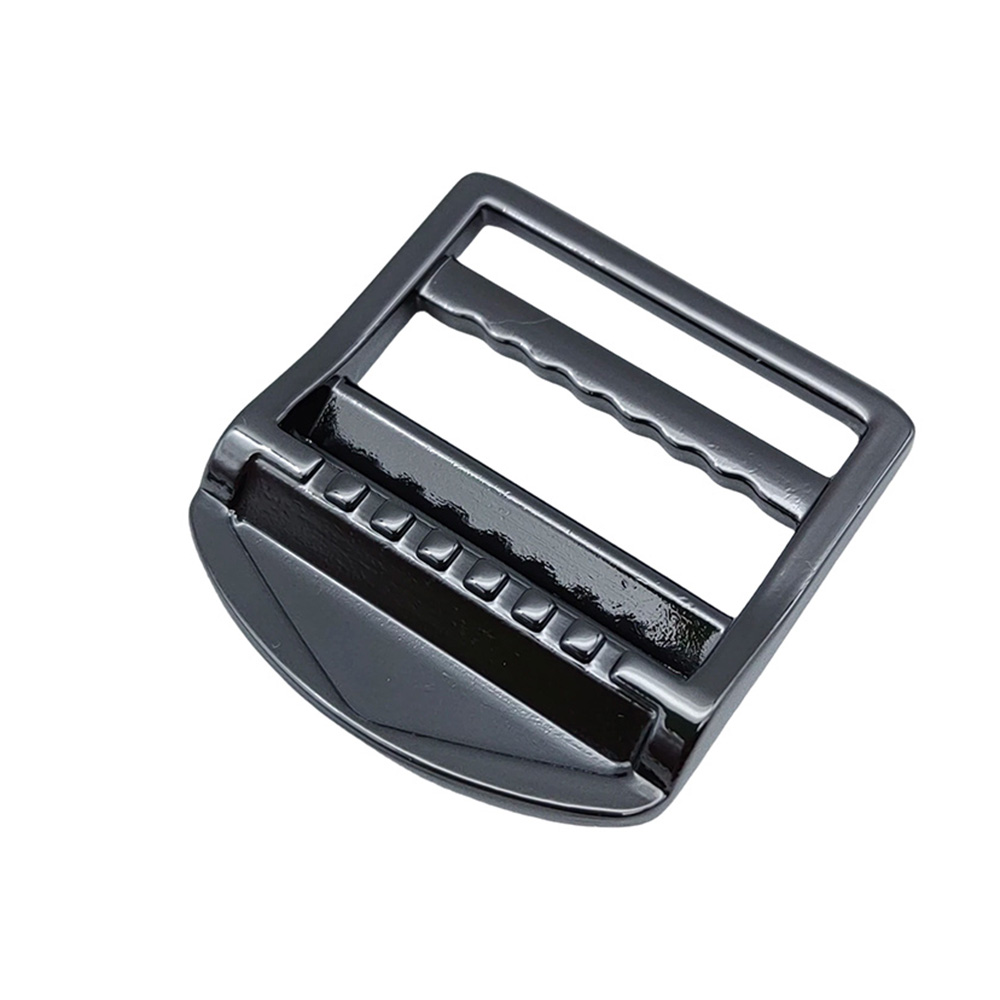
DG Buddy brings nearly 20 years of manufacturing experience to OEM hardware development. The practical value is not a general quality slogan; it is the ability to review the part together with the webbing, finish, packaging and inspection plan. During prototype development, the factory team can help identify whether a dimension refers to the outer frame or the effective strap passage, which is often the difference between a sample that looks correct and one that works correctly.
Buyers can use the DG-LB25 sample to confirm the 1 inch webbing fit, 9.2 g weight, approximately 30.5 mm by 32.2 mm outer dimensions, black appearance and adjustment feel. For larger programs, the next step is a documented technical review covering material, surface treatment, tolerance, testing, packing and delivery.
To request a quotation, send the target quantity, webbing width and thickness, application, finish reference, packaging requirements and destination market. If you need OEM development, include the drawing or a finished strap sample. DG Buddy can then review standard production, custom development, sample timing and the most suitable inspection plan.
For related sourcing, see Handbag Buckle Hardware, Bag Chain Strap Hardware, Bag Accessories & Components and download catalog.